







The Ube Phenomenon
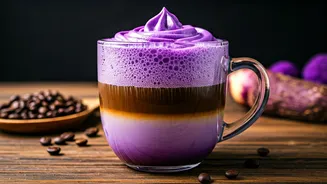
The captivating hue of ube coffee has swept across social media, transforming plain coffee into a visually stunning, pastel purple beverage. Ube, a starchy
root vegetable originating from Filipino cuisine, is celebrated for its distinctively sweet taste, creamy texture, and striking violet colour. Traditionally a star ingredient in Filipino desserts like halaya, cakes, and ice cream, ube has now been creatively infused into coffee, creating a drink that is as photogenic as it is novel. This trend has positioned ube coffee as a prominent fixture in contemporary café culture, drawing attention for its aesthetic appeal and unique flavour profile.
Health or Hype?
While ube coffee garners attention for its vibrant appearance, its health benefits warrant a closer look. Dieticians confirm that ube itself contains beneficial components like fibre and antioxidants, contributing to digestive health and overall well-being. However, the current widespread popularity is largely fuelled by its visual appeal and extensive social media promotion. It's important to recognize that ube isn't a miracle superfood; while it can contribute minor nutritional value when consumed in appropriate quantities, it's primarily a trend at present. The actual healthfulness of the drink hinges significantly on its preparation, with a simple formulation being key to unlocking any potential nutritional advantages.
Crafting a Healthier Cup
The health quotient of ube coffee is directly tied to how it's made. When prepared simply, using real ube, it can indeed offer a healthier alternative to conventionally flavoured coffees due to the inherent fibre and antioxidant content of the yam. The concern arises when cafés transform ube coffee into a dessert-like beverage by incorporating excessive amounts of added sugar, syrups, and rich cream. Such additions can negate the inherent benefits of ube, making the final product comparable in unhealthiness to other sugary, flavoured coffee drinks. Therefore, the nutritional value is entirely dependent on the ingredients and quantities used in its preparation.
Diabetes and Ube Coffee
The natural sweetness of ube might lead some to assume that ube coffee is inherently suitable for individuals managing diabetes. However, this is not universally true and depends entirely on the final composition of the beverage. Dieticians advise moderation when consuming ube coffee, especially for those monitoring their blood sugar levels. The addition of sugar, cream, and certain types of milk can rapidly elevate calorie counts and impact blood glucose levels. For individuals managing diabetes or actively seeking to control their weight, mindful consumption is crucial, emphasizing low-sugar versions and strict portion control to mitigate potential health implications.
Ube vs. Matcha Showdown
When comparing ube coffee to another popular wellness beverage, matcha, matcha generally holds a stronger nutritional edge. Experts suggest that matcha is typically the superior choice due to a greater body of scientifically validated health benefits. Matcha is recognized for its rich antioxidant profile and potential to boost metabolism. While ube does offer some fibre and antioxidants, its health advantages are considered less pronounced compared to those scientifically documented for matcha. In a direct comparison, matcha often emerges as the slightly healthier option, offering more pronounced and proven wellness benefits.