





The Induction Principle
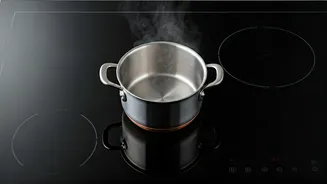
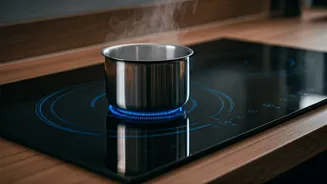
Induction cooking harnesses electromagnetic energy to heat your pans directly, a significant departure from traditional gas or electric stovetops. This
innovative approach means the cooktop surface itself remains comparatively cool, significantly reducing burn risks. The magnetic field generated by the cooktop interacts with compatible cookware, rapidly transferring heat. Consequently, cooking times are often shorter than you might be accustomed to, a notable adjustment for newcomers to this technology. Mastering this rapid heating is crucial to prevent food from being overcooked or charring unexpectedly.
Cookware Compatibility
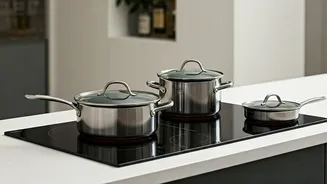
A fundamental aspect of induction cooking is selecting the correct cookware. Only pots and pans crafted from ferromagnetic materials, such as cast iron or certain types of stainless steel, will function effectively. A simple test for compatibility involves placing a magnet on the base of the cookware; if the magnet adheres firmly, the item is suitable for your induction cooktop. Using unsuitable cookware can lead to inefficient heating, hot spots, or the cooktop failing to operate altogether. This initial step is paramount for a successful induction cooking experience.
Gentle Heat Start
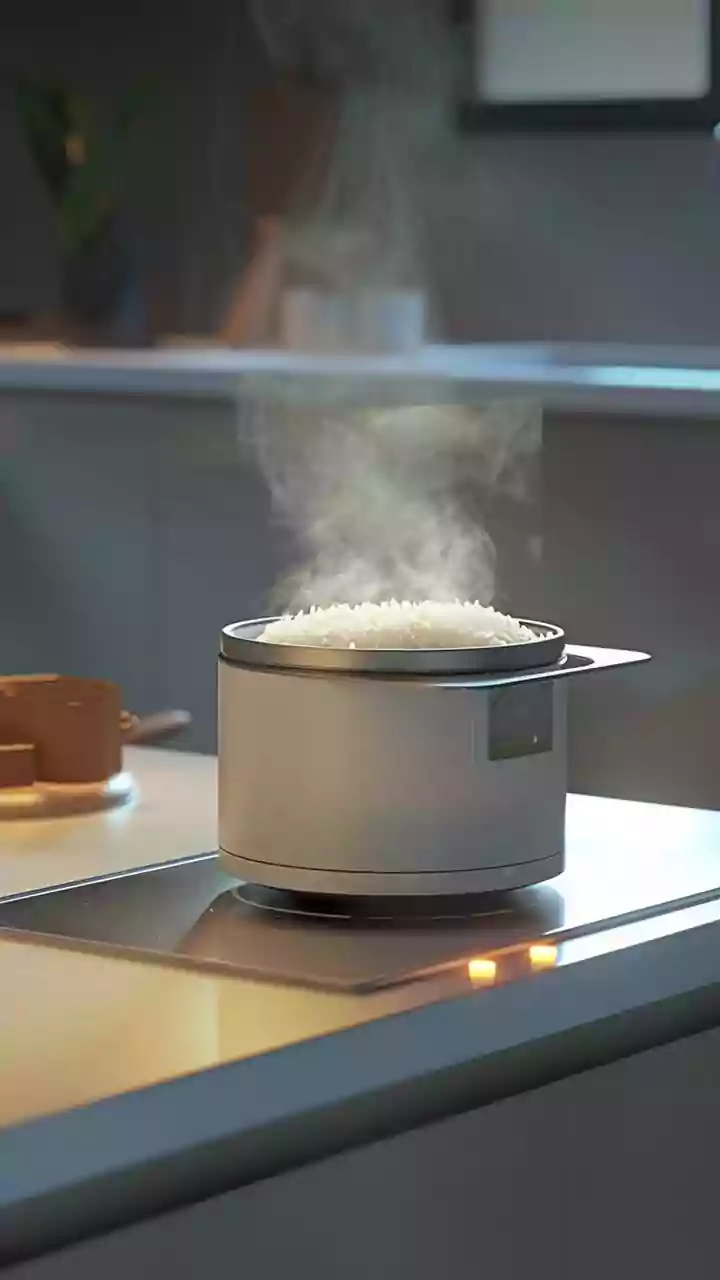
Induction cooktops deliver heat with remarkable speed. For those new to this appliance, it is highly recommended to commence cooking using low to medium heat settings. You can then gradually increase the temperature as needed, rather than immediately opting for the highest setting. Aggressively applying high heat from the outset can easily lead to food burning, particularly during delicate tasks like sautéing vegetables or searing meats. With practice, you will develop an intuitive understanding of the precise temperatures required for different dishes.
Surface Care
Maintaining a clean and dry cooking surface is a cornerstone of safe and effective induction cooking. Before you begin preparing your meal, ensure the cooktop is free from any moisture or food debris. Liquid or particulate matter can disrupt the electromagnetic connection and, over prolonged periods, potentially cause minor damage to the appliance. Once cooking is complete and the surface has cooled down sufficiently, a gentle wipe-down will preserve its pristine condition and ensure optimal performance for future use.
Pot Size Matters
For both efficiency and safety, it's essential to pair your cookware with the correct induction zone size. Using pots or pans that are significantly larger or smaller than the designated heating area can result in uneven cooking and unstable placement. Flat-bottomed cookware is ideal, as it ensures optimal contact with the cooktop's surface, maximizing heat transfer and contributing to superior cooking outcomes and overall safety.
Never Unattended
The swiftness with which induction cooktops heat food necessitates constant vigilance. Leaving the cooking process unsupervised can escalate risks; cooking oil can rapidly overheat, and food can become scorched in mere minutes. It is imperative to remain present in the kitchen while cooking, especially when employing high heat or deep-frying techniques. While many contemporary cooktops feature automatic shut-off mechanisms, exercising personal caution remains the most reliable safety measure.
Residual Heat Awareness
Although the induction surface itself does not generate direct heat, it can become warm due to the heat radiating from the cookware placed upon it. This phenomenon is known as residual heat. It is important to refrain from touching the cooking zone immediately after removing your pots and pans. Furthermore, ensure that young children are kept away from the cooktop until it has fully cooled to prevent accidental burns.
Clear the Surface
Given that induction cooktops operate using magnetic fields, any loose metallic items left on the surface can become unexpectedly hot. This includes utensils like spoons, knives, or even aluminum foil. To avert potential burns and ensure safe operation, always keep the cooking area clear of any non-essential items while the cooktop is in use.
Leverage Safety Features
Modern induction cooktops are equipped with a suite of built-in safety functionalities designed to protect users. These often include child lock mechanisms, automatic shut-off timers, and overheating protection systems. Familiarize yourself with these features and actively utilize them to enhance the safety of your cooking environment. These integrated safeguards are particularly beneficial for novice users who are still adapting to the nuances of induction cooking.