






The Core Decision
When selecting jewellery for significant life events like engagements or weddings in India, the choice between gold and platinum often arises. While gold represents
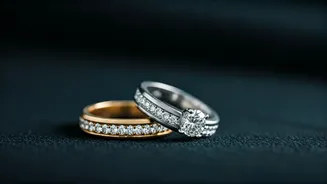
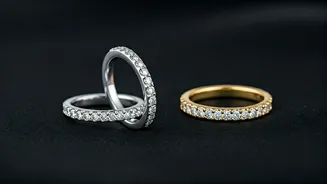
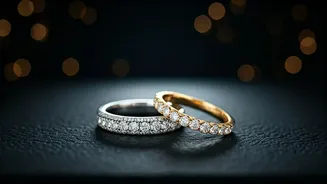
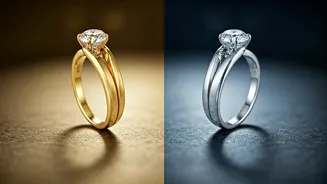
tradition and familiarity, platinum offers a sleek, contemporary sophistication. Understanding the distinct characteristics of each metal is key to making a choice that resonates personally. Both metals beautifully showcase diamonds, but they impart different aesthetics and offer varying practical advantages. The 'better' option is subjective, hinging entirely on individual preferences for warmth, coolness, tradition, or modern appeal. This decision isn't about intrinsic value alone, but about how the metal harmonizes with the diamond and the wearer's personal style.
Gold's Enduring Charm
Gold has long been the cornerstone of Indian jewellery, deeply embedded in cultural traditions and family heirlooms. Its warm hue is particularly flattering against Indian skin tones, seamlessly integrating with traditional attire like sarees and lehengas. The versatility of gold is a significant draw; it's available in various shades such as yellow gold for a classic rich look, white gold for a more understated elegance at a lower cost than platinum, and rose gold for a touch of romantic softness. Financially, gold, particularly in 14K or 18K purity, is generally more accessible, offering greater flexibility for budgeting. Furthermore, its widespread familiarity means any adjustments, from resizing to intricate redesigns, are easily managed by jewellers. However, gold is softer than platinum, making it more susceptible to scratches over time, and white gold requires periodic re-polishing to maintain its bright finish. For those seeking an exclusive, rare-metal sensation, gold might not always convey that distinct sense of luxury.
Platinum's Modern Appeal
Platinum has emerged as a sophisticated choice, particularly for engagement rings and wedding bands, admired for its clean, cool aesthetic and understated luxury. Its naturally white colour ensures that diamonds appear brighter and more brilliant, as there's no underlying yellow tint to interfere with the stone's sparkle. This purity of colour allows the diamond to take centre stage. Platinum is inherently stronger and more durable than gold, making it an excellent choice for daily wear, as it withstands the rigors of frequent use with greater resilience. Maintenance is also minimal; it doesn't fade or require re-plating, retaining its lustrous appearance over years. While it does develop a patina, a unique matte finish over time, this is often appreciated as a sign of its character and age by some. However, platinum typically comes with a higher price tag and is often found in more contemporary, minimalist designs rather than traditional Indian patterns. Modifications like resizing or repairs can also be more intricate compared to gold.
Bridal & Everyday Choices
In the context of Indian weddings, gold continues to be the predominant choice, deeply ingrained in cultural significance and the concept of bridal trousseau. However, platinum has gained considerable traction for engagement rings and couple's bands, offering a modern alternative. A practical approach many couples adopt is a hybrid one: opting for gold jewellery for the wedding ceremonies and festivities, while choosing platinum for engagement rings or bands intended for everyday wear. This strategy allows for the best of both worlds – honouring tradition with gold while embracing the durability and modern style of platinum for daily adornment. If your lifestyle involves frequent use of your hands and a desire to minimise maintenance concerns, platinum presents a more robust option. Conversely, if you enjoy variety in your designs, prefer more adaptable pieces, or plan to acquire multiple items over time, gold offers greater flexibility.
Investment and Sentiment
The financial aspect of jewellery choice is a significant consideration in India. Gold is widely recognized as an asset; its value is tangible and it can be readily resold, exchanged, or repurposed, making it a sound investment. Platinum, on the other hand, is primarily valued for its aesthetic and personal appeal rather than its resale potential. This distinction often influences family discussions, with gold frequently receiving strong support due to its investment security. On an emotional level, gold often carries a legacy of memories, being passed down through generations and redesigned to fit new eras. Platinum tends to be chosen more personally, often as a conscious selection for oneself rather than an inherited piece. Ultimately, the decision rests on whether one prioritizes tradition and potential financial returns or a personal expression of modern style and enduring beauty.
The Final Verdict
The choice between gold and platinum for diamond jewellery is deeply personal and depends on your priorities. If tradition, a rich aesthetic, flexibility in design, and resale value are paramount, gold is an excellent choice. For those drawn to a modern, clean look, exceptional durability for daily wear, and a subtle sense of premium quality, platinum is the preferred option. Before making a final decision, it is highly recommended to try on pieces in both metals. The way jewellery feels and looks on your own skin, considering your individual style and daily routine, will offer the clearest indication of which metal truly speaks to you and best complements your diamonds.