





Film's Unfortunate Fate
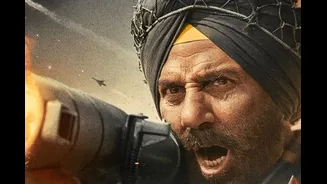
The film 'Kesari Veer', starring Suniel Shetty and centered on the poignant history of the Somnath Temple's repeated destruction, unfortunately, did not
resonate with audiences at the box office. Despite extensive research and a compelling subject, the movie faced significant challenges. Shetty attributed this setback primarily to poor distribution strategies. He elaborated that the film struggled to secure adequate theatre screenings, a crucial element for commercial success. The producer, who handled distribution independently, incurred substantial losses, leading to a promising film being 'taken down' prematurely. This experience highlights how even a well-intentioned historical narrative can falter due to logistical shortcomings, underscoring the intricate nature of film distribution in reaching a wider audience and achieving commercial viability.
A Call for Indian Heroes
Suniel Shetty voiced his discontent regarding the persistent focus on certain historical figures, particularly rulers like Aurangzeb, Akbar, and Babur, in Indian cinema. He passionately argued that the narrative should pivot towards celebrating India's rich cultural tapestry and its indigenous heroes. Shetty specifically mentioned the importance of acknowledging figures such as Shivaji Maharaj and the valorous Rajputs, emphasizing that every hero from every state deserves recognition. His emotional connection to the Somnath Temple, which has endured numerous plunders yet still stands, fueled his belief that such symbols of resilience and Indian heritage should be central to cinematic storytelling. He believes this shift would foster a stronger sense of national pride and historical consciousness among viewers, moving away from narratives that might inadvertently glorify foreign conquerors.
Echoes of a Similar Sentiment
The sentiments expressed by Suniel Shetty are not isolated; actor Akshay Kumar previously shared comparable observations while promoting his film about Prithviraj Chauhan. Kumar had pointed out a significant imbalance in historical education, noting how textbooks dedicate minimal space to Indian monarchs like Samrat Prithviraj Chauhan, while extensively detailing invaders. He expressed surprise at the vast amount of information about Indian culture and royalty that remains largely unknown to the public. This shared concern from prominent figures in the film industry suggests a growing awareness and a desire to rectify how Indian history, particularly the contributions of its own rulers and cultural achievements, is perceived and represented, urging for a more equitable and celebratory portrayal of the nation's past.