






The Avocado Hand Menace
In recent years, avocados have skyrocketed in popularity, becoming a staple for many. However, this culinary trend has also given rise to a peculiar and
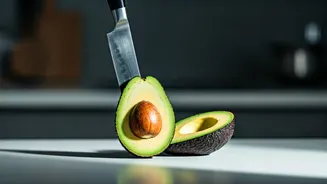
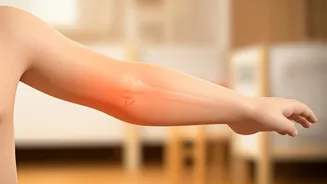
painful injury known as 'avocado hand.' This injury typically occurs during the process of halving and pitting the fruit. When a knife slips while trying to cut through the tough skin or remove the pit, it can inflict deep cuts into the hand. Experts warn that such accidents can potentially damage vital structures like tendons, arteries, or nerves, leading to significant complications. The sheer popularity of avocados, coupled with a moment of haste or inattention, has unfortunately made this a frequent occurrence in kitchens worldwide.
Immediate First Aid Steps
If you find yourself on the receiving end of an 'avocado hand' injury, acting swiftly is paramount. The very first step involves gently cleansing the wound with clean water to remove any debris that could lead to infection. Should there be bleeding, it's crucial to apply firm, steady pressure using a clean cloth or bandage until it subsides. Elevating the injured hand above heart level can also significantly aid in reducing blood flow. It's important to remember that not all cuts are superficial. If you experience numbness, have difficulty moving your fingers, or the bleeding simply won't stop, these could be indicators of more serious internal damage, such as nerve, tendon, or artery injury.
When to Seek Help
Ignoring deep cuts, especially those accompanied by concerning symptoms, can have long-term repercussions. If you notice any numbness in your hand or fingers, find that you're unable to move your digits, or if the bleeding persists despite your best efforts to control it, these are red flags that demand immediate medical attention. These signs strongly suggest that nerves, tendons, or blood vessels might be compromised. In such critical situations, do not delay; proceed to the nearest hospital without hesitation. It's also vital to avoid common home remedies like applying turmeric, toothpaste, or oils to the wound, as these substances can introduce bacteria and exacerbate the risk of infection. Instead, cover the wound with a clean dressing and keep the injured hand as still as possible until professional medical help is obtained.
Prevention is Key
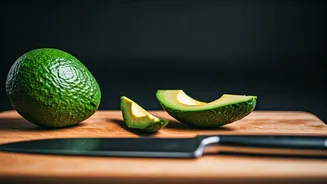
The most effective way to combat 'avocado hand' is through diligent prevention. A few simple practices can drastically reduce your risk. Always place the avocado on a stable, flat surface for cutting; never hold the fruit in your hand while slicing. Employing a sharp knife is crucial, as it requires less force to cut through the avocado, minimizing the chance of the blade slipping. Additionally, experts advise tucking in your fingers to shield joints and soft tissues from accidental cuts. By maintaining a careful and attentive approach, you can safeguard yourself from these painful injuries. Early and proper treatment can prevent long-term damage and accelerate healing, so always stay alert when preparing this popular fruit.
Expert Slicing Tips
Orthopedic specialists offer further insights into safely handling avocados and other firm foods. They emphasize the importance of using sharp knives to reduce the amount of force needed, which in turn lowers the likelihood of slips and deeper lacerations. Tucking in fingers is a key recommendation to protect vulnerable joints and soft tissues from accidental contact with the blade. Beyond avocados, the advice extends to avoiding improper techniques when cutting any hard food items, as this can lead to more severe injuries like fractures or ligament strains. The overarching message is clear: don't underestimate the importance of safe kitchen practices. Prompt medical evaluation for deep cuts is essential to prevent issues like chronic stiffness, loss of dexterity, or impaired hand functionality, ensuring your hands remain strong and mobile.