


Why Hangovers Happen
Hangovers are a common consequence of excessive alcohol consumption, manifesting in a range of uncomfortable symptoms. These symptoms include headache,
nausea, fatigue, and sensitivity to light and sound. The body undergoes several processes when metabolizing alcohol, including dehydration, inflammation, and electrolyte imbalance, all contributing to the severity of a hangover. Alcohol also interferes with sleep quality, further exacerbating the feeling of being unwell. Understanding the underlying mechanisms of hangovers is the first step in devising strategies to mitigate their effects. Knowing this gives you a clearer understanding of how what you eat beforehand can play a crucial role in reducing your chances of a severe hangover.
Pre-Drink Meal Essentials
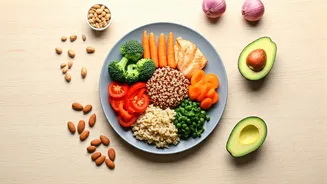
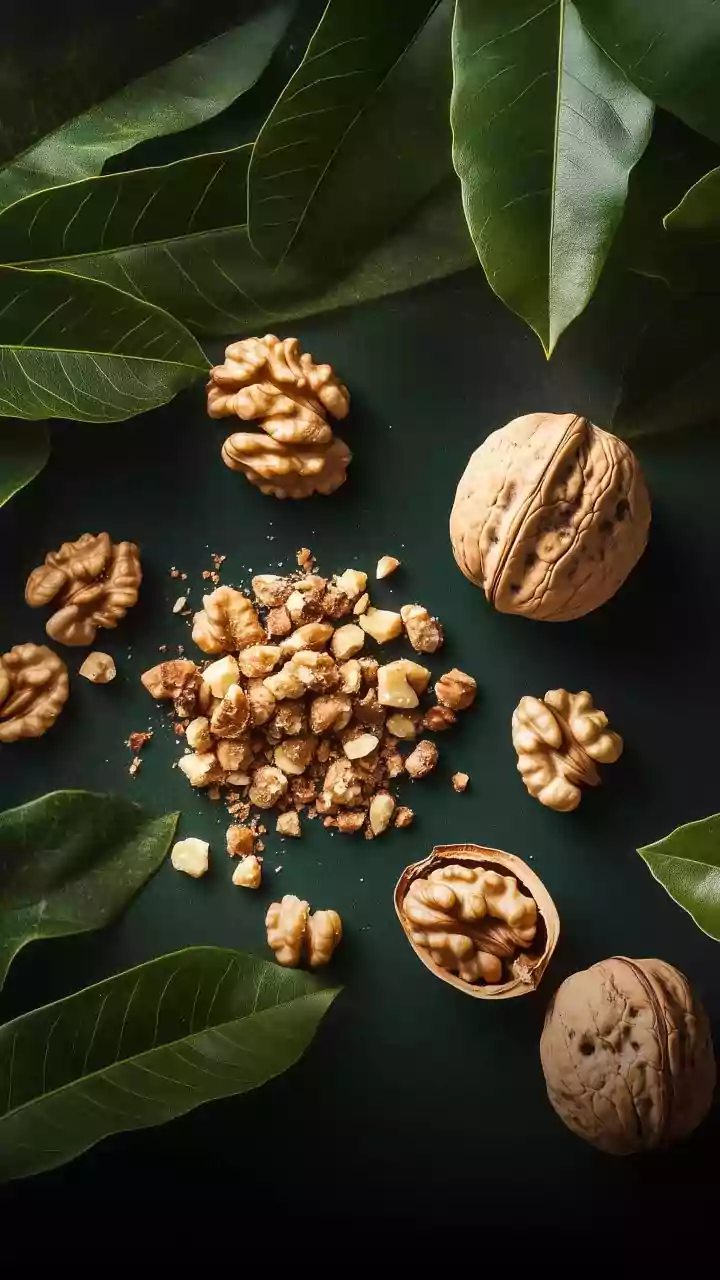
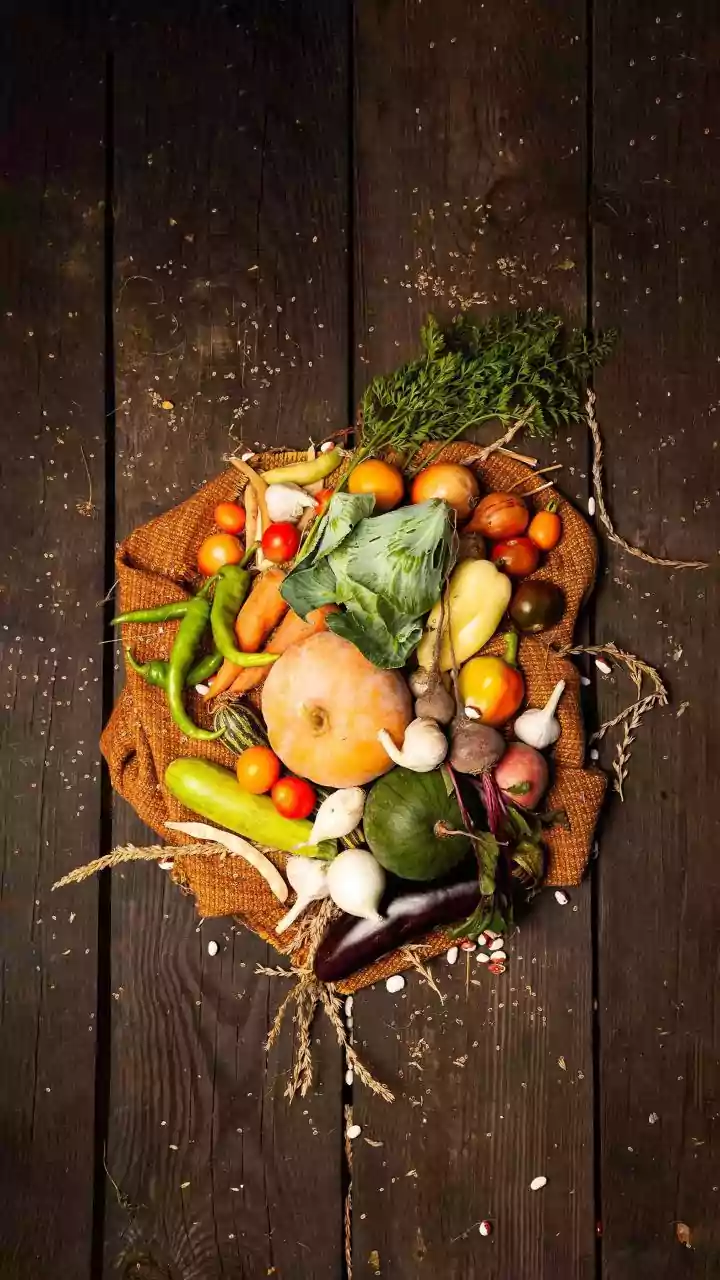
The food you consume before drinking alcohol can significantly influence how your body responds. Prioritizing certain foods can slow down the absorption of alcohol, giving your liver more time to process it. Foods rich in protein, healthy fats, and complex carbohydrates are your best allies. Protein helps slow down alcohol absorption, while fats can coat the stomach, further delaying the process. Complex carbohydrates provide a sustained release of energy, helping to prevent blood sugar crashes that can worsen hangover symptoms. Think about meals containing options like eggs, avocados, nuts, or whole-grain bread to prepare for an evening of drinking. This approach provides a solid foundation, which supports the body's ability to cope with alcohol and lessen the negative repercussions.
Protein Power for Protection
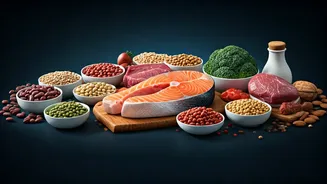
Protein is a crucial component in any pre-drinking meal. Its structure enables it to slow down alcohol absorption into the bloodstream. Foods high in protein, such as meat, poultry, fish, and beans, can be particularly beneficial. When protein is digested, it forms a barrier in your stomach, slowing down the rate at which alcohol enters your system. This slower absorption allows your liver to process alcohol at a more manageable pace, lessening the strain and reducing the likelihood of severe hangover symptoms. Including a substantial amount of protein in your meal before you start drinking is a practical way to give your body an edge in handling alcohol.
Fats and Their Role
Healthy fats are another essential element to include in a pre-drinking meal. Fats, such as those found in avocados, nuts, and olive oil, also contribute to slowing down the absorption of alcohol. They coat the stomach lining, forming a protective barrier that delays alcohol’s entry into the bloodstream. This delaying action gives your liver extra time to process the alcohol. Consuming foods high in healthy fats, along with protein, creates a combined effect that is more effective in minimizing the impact of alcohol. Remember that while fats are beneficial, it's wise to combine them with protein and carbohydrates for balanced nutrition before drinking.
Hydration is Key
Proper hydration is crucial to preventing a hangover. Alcohol is a diuretic, which means it increases urine production, leading to dehydration. Dehydration can worsen hangover symptoms like headaches, fatigue, and dizziness. Before you start drinking, it’s advisable to drink plenty of water. Continuing to hydrate throughout the evening, alternating between alcoholic beverages and water, can help maintain adequate hydration levels. This proactive approach helps to counteract alcohol's dehydrating effects and can significantly reduce the severity of a hangover. Staying hydrated gives the body the resources it needs to efficiently process alcohol and recover afterward.
Carbohydrate Choices
Complex carbohydrates also play a vital role in preparing your body for alcohol consumption. These carbohydrates provide a sustained release of energy, preventing blood sugar crashes that can exacerbate hangover symptoms. Choosing whole-grain bread, pasta, or brown rice can provide the necessary energy. Such choices will help maintain stable blood sugar levels. Avoid simple sugars, which can cause a rapid spike and subsequent crash in blood sugar. Combining complex carbohydrates with protein and fats creates a well-rounded meal, which gives your body the best chance of minimizing hangover effects. This balanced approach helps the body maintain stability while processing alcohol.
Avoid Empty Calories
While preparing for drinking, it's wise to minimize your intake of foods that offer little nutritional value, or 'empty calories'. These include highly processed foods, sugary snacks, and excessive amounts of simple carbohydrates. They often provide limited nutritional benefits and can contribute to blood sugar fluctuations, potentially worsening hangover symptoms. Opting for nutrient-rich foods, especially those rich in protein, healthy fats, and complex carbohydrates, helps provide a stronger foundation for your body to cope with alcohol. Doing this avoids additional stress on your system and helps your body operate more efficiently. Making informed food choices before drinking can significantly impact how you feel the next day.
Pace Yourself and Drink
Eating the right foods is only one part of the equation when trying to avoid a hangover. The rate at which you consume alcohol plays an equally important role. Drinking at a moderate pace gives your liver enough time to process the alcohol. Avoid rapid consumption. Instead, sip your drinks slowly and space them out over a longer period. This approach reduces the load on your liver and minimizes the likelihood of reaching a level of intoxication that leads to a severe hangover. Consider alternating alcoholic drinks with water or non-alcoholic beverages. This helps to hydrate and pace your alcohol consumption, supporting your body in processing alcohol efficiently.
After-Party Recovery Steps
Even with preparation, some hangover symptoms can still occur. Focus on aiding your recovery the following morning. Replenishing fluids is vital, so drink plenty of water, sports drinks, or electrolyte solutions to rehydrate. Eating a light, nutritious meal can help to restore energy and support your body's recovery. Foods like toast with honey, fruits, or eggs can be helpful. Get adequate rest. Getting sufficient sleep allows your body to recover. If you're feeling unwell, try over-the-counter pain relievers to manage headaches or other discomforts. However, stick to the recommended dosages. Remember that a balanced approach, encompassing what you eat before and how you treat your body afterwards, will go a long way in recovering from drinking.