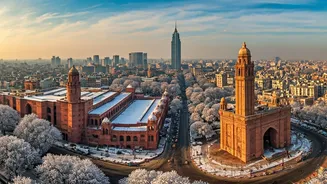









Delhi's Cold Snap
The capital city of India shivered through a particularly harsh cold spell. The temperature in Delhi fell to a low of 3.8°C. This extreme chill marked
the fourth successive day of severely cold weather conditions, significantly impacting daily life for the city's inhabitants. The relentless cold wave prompted widespread discussions about its intensity and the measures people were taking to stay warm and safe. News outlets and weather updates continuously highlighted the severity of the situation, underscoring the duration and intensity of the cold snap. Residents were advised to take precautions against the cold, including staying indoors when possible and wearing warm clothing. The prolonged period of low temperatures brought attention to the importance of weather preparedness and the challenges faced by vulnerable populations during such events.
Prolonged Frigidity
The biting cold in Delhi wasn't a fleeting occurrence; rather, it persisted for several days. The weather pattern saw temperatures consistently remaining low for four consecutive days. The extended duration of the cold wave amplified its impact, creating a significant strain on the city's infrastructure and the comfort of its residents. The consistent low temperatures intensified the need for precautionary measures, such as the use of heaters and the provision of shelters for those in need. The extended cold spell also led to increased demand for warm clothing and other winter essentials. This prolonged period of freezing weather underscored the significance of being prepared for extreme climate conditions and highlighted the importance of government and community initiatives in supporting the populace during such times.
Impact and Response
The harsh winter weather conditions in Delhi brought about certain challenges. The sustained low temperatures affected daily routines, as people grappled with the cold while commuting to work and school. Public health concerns related to cold-related illnesses also increased. The government and various social organizations responded with efforts to aid those affected. These included the distribution of blankets, the establishment of temporary shelters, and the dissemination of health advisories. Information campaigns were launched to raise awareness about staying warm and taking care of oneself. The authorities also monitored the situation closely, providing updates and guidance to the public. Through a combination of individual and collective measures, Delhi residents strived to navigate through the challenging cold wave.