

Prep Ingredients Correctly
The initial step towards dosa perfection lies in the correct preparation of the ingredients. Begin by washing the rice and urad dal thoroughly, two or three
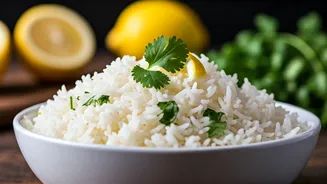
times, to eliminate any dirt or dust particles. This washing process is vital because it not only cleans the grains but also contributes to the desired white colour of the batter. Remember to soak the rice separately for at least five hours, or ideally overnight, while the urad dal and fenugreek seeds should be soaked together for around four hours. When it comes to poha, soak it just half an hour before grinding. Ensure ample water in the bowls to fully submerge the ingredients, facilitating thorough soaking and yielding a smooth batter. Proper preparation is the foundation of a successful dosa-making experience. Avoid soaking rice and urad dal together; this is a crucial step for achieving the right texture and flavour.
Grinding is Key
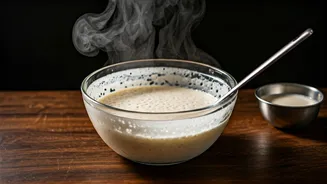
The grinding process is pivotal in determining the final quality of your dosa batter. Begin by combining the soaked rice and poha, grinding them until you achieve a smooth consistency. Following this, add the urad dal and fenugreek seeds to the mixture, continuing to grind until the batter develops a buttery texture. Post-grinding, combine both the rice-poha and urad dal mixtures in a large bowl, meticulously mixing them by hand. The aim is to achieve a batter that is neither too watery nor excessively thick. Achieving this balance is crucial, as it directly impacts the dosa's ability to spread evenly on the pan and cook to the desired crispiness. Remember, the texture of the batter is the secret to a successful and flavourful dosa.
Proportioning Ingredients Correctly
Achieving the right proportions is essential for perfect dosas. A well-balanced batter is the key to both taste and texture. For optimal results, use a quarter kilo of urad dal for every kilo of rice. If using cups, the ratio is one cup of urad dal to four cups of rice. This ratio is a tried-and-tested method to achieve the desired balance, ensuring that your dosas turn out perfect every single time. Incorporating 50 grams of poha and one tablespoon of fenugreek seeds into the mix further enhances the colour and flavour of your dosas. Precise measurements are not just about following a recipe but about understanding the science behind the perfect dosa. Small deviations can lead to significant differences in the final product, so sticking to these ratios is crucial.
Understanding Fermentation Time
Fermentation is a critical step, but its duration hinges on the weather conditions. In winter, the fermentation process typically takes around 10 to 12 hours due to the lower temperatures. The cooler environment slows down the yeast activity, requiring a longer time for the batter to rise and develop its characteristic sour flavour. Conversely, during summer, the batter ferments much faster, usually within eight hours. The warmer climate accelerates the fermentation, allowing the batter to be ready in less time. Remember to add salt only after the fermentation process is complete. Adding it beforehand can interfere with the fermentation, potentially affecting the final texture and taste of your dosas.
Room Temperature for Fermentation
While many people refrigerate the batter immediately, the fermentation process actually benefits from room temperature. For optimal results, keep the batter at room temperature. If you choose to refrigerate the batter, remove it from the fridge at least an hour before cooking, allowing it to reach room temperature. This warm-up period is critical as it helps the batter spread properly on the pan. It also enhances the final texture and crispiness of your dosas. Once the batter has fermented well, there's no need to add baking soda. The natural fermentation process should provide sufficient leavening for perfect dosas. This method ensures that the batter is active, yielding light and fluffy dosas that are a treat to eat.
Cooking Dosas To Perfection
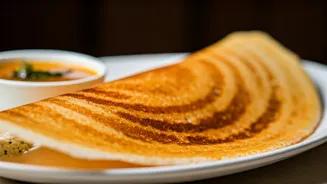
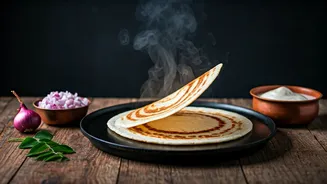
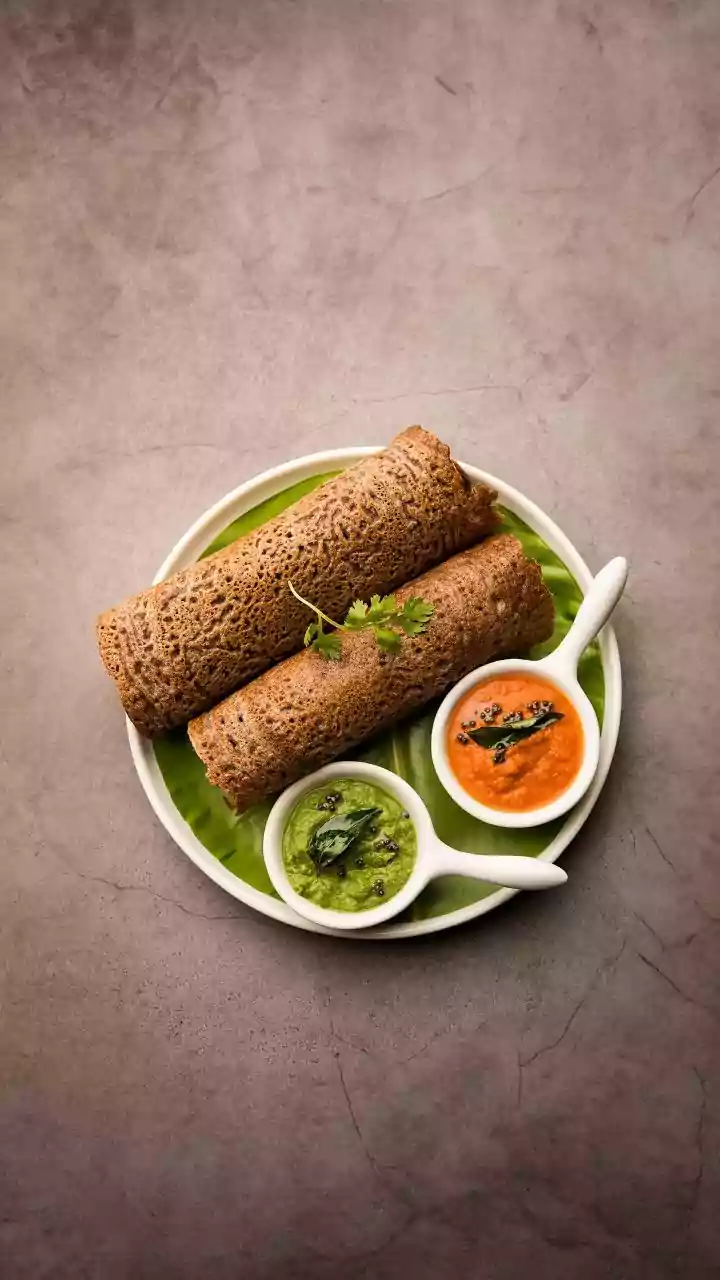
The final stage of dosa making involves the cooking process, which requires precision and attention to detail. Start by heating the pan thoroughly, then lightly sprinkle water and wipe it with a wet cloth. This process helps create a non-stick surface, preventing the batter from sticking. Add a small amount of oil to the pan to enhance the dosa's crispiness. Pour the batter onto the pan using a ladle, spreading it from the centre to the edges to achieve a thin, even layer. This technique mirrors the method employed by professional chefs, ensuring your dosas are consistently crispy and well-cooked. Cooking dosas requires a delicate balance of heat, batter distribution, and timing. Following these steps consistently will help you create hotel-style dosas at home.