







Why Color Matters?
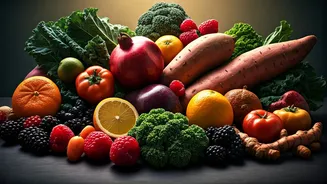
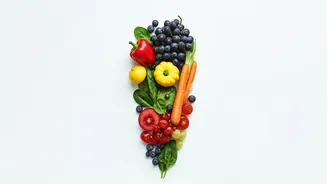
The vivid hues of fruits and vegetables are not just visually appealing; they are indicators of unique health-promoting compounds. Red foods often contain
lycopene, known for its antioxidant properties and its potential to protect against certain cancers. Orange and yellow foods are abundant in beta-carotene, which the body converts into vitamin A, vital for vision, skin health, and immune function. Green vegetables are rich in chlorophyll, a natural detoxifier. Blue and purple foods are packed with anthocyanins, antioxidants that support brain health and may reduce the risk of heart disease. Eating a wide spectrum of colors guarantees a diverse intake of essential nutrients, helping you cover a broader base of health benefits. Embrace the variety, and enjoy the delicious journey towards a healthier you!
Orange & Yellow Wonders
Orange and yellow fruits and vegetables are a visual treat, and a source of essential nutrients. A primary advantage of these foods is their richness in beta-carotene, a precursor to vitamin A. Vitamin A is crucial for maintaining healthy vision, boosting immunity, and promoting skin health. Think of carrots, sweet potatoes, and mangoes, they are all filled with beta-carotene. The body converts beta-carotene into vitamin A as needed, making it a natural and safe source of this important vitamin. Moreover, orange and yellow foods are often high in vitamin C, another key nutrient that acts as an antioxidant and supports the immune system. The combined nutrients in these foods offer a wealth of benefits, from protecting against infections to supporting healthy skin and vision. Including a generous amount of orange and yellow foods into your diet is a simple yet effective way to fortify your body with essential nutrients, promoting overall health and vitality.
Blue & Purple: Anthocyanins
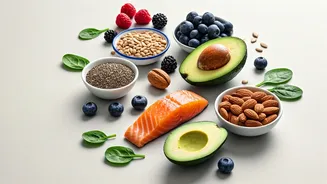
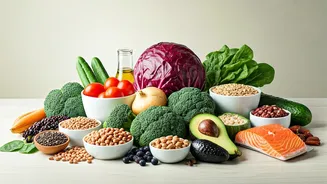
Blue and purple foods, though less common than other colors, are nutritional powerhouses, primarily due to their high anthocyanin content. Anthocyanins are powerful antioxidants that give these foods their unique colors and provide significant health benefits. They are linked to brain health, helping to protect against cognitive decline and enhance memory. Consuming these colorful foods may also reduce the risk of heart disease by promoting healthy blood vessels. They are found in foods such as blueberries, purple cabbage, and eggplant. The antioxidants present in blue and purple foods may also protect against cell damage and inflammation, which are contributing factors to various chronic diseases. Regularly incorporating these colorful fruits and vegetables into your diet provides your body with a potent dose of antioxidants. These can help support overall health and well-being. By adding these vibrant options to your meals, you add a layer of defense against diseases, and improve your overall health.