



Strategic Tourism Initiative
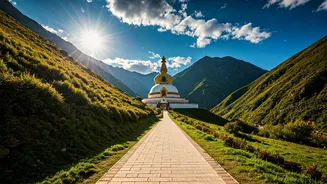
The development of a Buddhist circuit in Northeast India is a key component of the Budget 2026. This endeavor reflects the government's strategic focus
on promoting tourism as a catalyst for economic growth. Northeast India, with its rich cultural heritage and scenic beauty, possesses significant potential to attract both domestic and international tourists. The creation of a dedicated Buddhist circuit aims to capitalize on this potential, specifically targeting the global Buddhist community, who are often keen to visit locations linked to the life and teachings of the Buddha. This focus is expected to bring substantial economic benefits, including increased revenue from tourism-related services like hotels, transportation, and local businesses. The initiative is a clear indication of the government’s commitment to leveraging tourism to drive regional development and uplift local communities, especially those residing in the Northeast.
Infrastructure Upgrades Planned
A core aspect of the Buddhist circuit initiative involves a comprehensive upgrade of infrastructure throughout the Northeast. This includes improvements to existing transportation networks like roads and railways, making it easier for tourists to access various Buddhist sites. These upgrades will ease travel between important locations such as monasteries, stupas, and other significant places of worship and reflection. Concurrently, the government plans to improve accommodation options by supporting the development of hotels, guesthouses, and other lodging facilities that cater to the needs of international visitors. Along with enhanced transportation and accommodation, the project includes the construction of tourist amenities such as visitor centers, information kiosks, and interpretation centers at each site. This will enrich the visitor experience by offering more detailed information about the historical, cultural, and spiritual significance of the locations. The government’s integrated approach to infrastructure enhancement aims to transform the Northeast into a more accessible and desirable destination for tourists worldwide.
Boosting Foreign Tourist Inflow
A primary objective of the Buddhist circuit is to significantly increase the inflow of foreign tourists to Northeast India. By highlighting the region's rich Buddhist heritage, the government hopes to attract a dedicated group of international visitors, including pilgrims, scholars, and cultural enthusiasts, who are interested in Buddhist history and practice. The government has planned promotional campaigns to highlight the Buddhist circuit in key international markets, showcasing the region's unique offerings to potential tourists. These campaigns will use a mix of digital marketing, travel fairs, and partnerships with international travel agencies to improve the visibility of the Northeast as a prime tourist destination. The success of the project is dependent on the ability to cater to the specific needs of these travelers, providing the facilities, services, and experiences that meet their expectations. The increased inflow of foreign tourists is poised to generate considerable revenue and create local employment opportunities, thereby contributing to the region's economic advancement.
Economic Impact Anticipated
The development of the Buddhist circuit is expected to generate a positive ripple effect throughout the Northeast’s economy. The influx of tourists will immediately boost local businesses, from hotels and restaurants to transportation providers and souvenir shops. This surge in demand creates opportunities for new enterprises, especially in the hospitality and tourism sectors, leading to job creation and economic diversification. The growth of tourism also encourages investment in related sectors, such as infrastructure development and skill-building initiatives. The government is also likely to support programs that train local residents in hospitality, guiding, and other tourism-related skills to ensure they can take full advantage of these new opportunities. Moreover, the project is expected to raise the standard of living by providing economic benefits. By improving infrastructure, the Buddhist circuit will not only help the tourism sector but also stimulate the growth of other industries in the region, promoting overall economic prosperity.
Cultural Preservation Measures
Besides the economic advantages, the Buddhist circuit initiative also emphasizes the preservation of the rich cultural heritage of Northeast India. The project includes plans to protect and restore significant Buddhist sites, including monasteries, ancient stupas, and historical locations, ensuring these treasures are preserved for future generations. The government is keen to support local communities by funding initiatives that promote traditional arts, crafts, and cultural practices associated with Buddhism. This focus on cultural preservation boosts the local economy by attracting tourists interested in culture and history, and it also boosts local cultural pride. By integrating cultural preservation into the project, the government aims to create a sustainable tourism model that protects and celebrates the unique cultural identity of the Northeast. This strategy helps to ensure that the region’s rich heritage is maintained while promoting economic advancement through tourism.