
January's Wolf Moon
January 2026 kicks off the year with a spectacular display: the Wolf Moon. Skywatchers across the globe will be treated to the sight of this full moon,
which is also a supermoon, appearing larger and brighter than usual. The January full moon leaped past the Eiffel Tower, providing an incredible photo opportunity. The Wolf Moon, historically named by different cultures, is a time of reflection and renewal. The precise timing of the Wolf Moon's appearance will vary depending on your location, but it is expected to be visible throughout the night sky on the date it occurs. This month's full moon promises a stunning visual treat, regardless of where you are located. It will offer a fantastic start to the year for skywatchers everywhere, reminding us of the celestial beauty that surrounds us.
February's Snow Moon
Following January's Wolf Moon, February brings the 'Snow Moon.' This full moon is known for its association with the heavy snowfall typical of the season. February's full moon dazzles skywatchers worldwide with a glistening 'Snow Moon'. Like the Wolf Moon, the Snow Moon will also be a supermoon. The February full moon is a sight to behold, casting its gentle light across the winter landscape. The Snow Moon's timing will be different depending on your location, but the moon is sure to dominate the night sky. The Snow Moon presents yet another chance to appreciate the splendor of our celestial neighbor. It gives the chance to observe the beauty of the winter sky, whether you're an experienced stargazer or a casual observer.
Lunar Eclipses of 2026
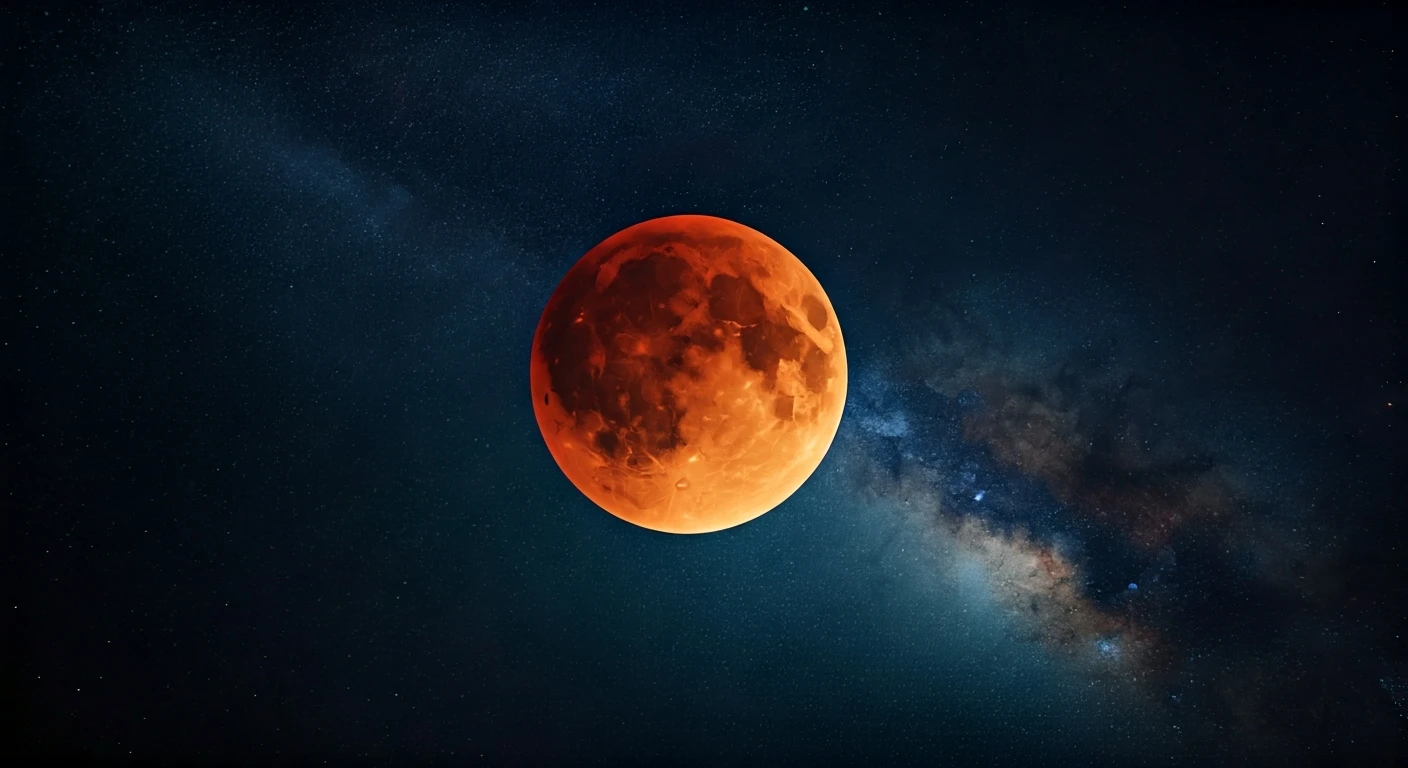
Lunar eclipses, a captivating astronomical event, were slated to grace the year 2026. A total lunar eclipse, often referred to as a 'blood moon' due to its reddish hue, was scheduled for March 2026, offering a unique viewing experience. These celestial events occur when the Earth passes directly between the sun and the moon, casting a shadow on the lunar surface. The eclipse’s specific timings and visibility would depend on your geographic location. Lunar eclipses are not only visually stunning but also scientifically significant, providing researchers with opportunities to study the lunar surface and atmosphere. As the Earth's shadow moved across the moon, skywatchers were treated to a rare and beautiful cosmic display. Keep an eye on local astronomical announcements for the exact dates and times to ensure you don’t miss this incredible lunar spectacle.
Beyond Full Moons
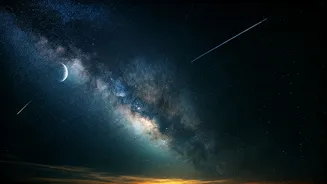
The 2026 lunar calendar included various other exciting astronomical events beyond the full moons and eclipses. These included the conjunctions of the Moon with other celestial objects, offering unique visual pairings in the night sky. Also, throughout the year, there were opportunities to witness the 'Seven Sisters' of the Pleiades swimming in the moonlight. These events provide exciting viewing prospects, from seeing the moon glowing beside planets such as Jupiter to the Milky Way's glow. For stargazers equipped with telescopes or even binoculars, the night sky presented a multitude of wonders. These lesser-known celestial events allow us to enjoy the beauty of the cosmos beyond the well-known sights.
Skywatching Tips
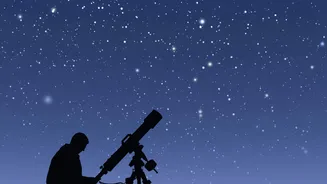
To fully enjoy the lunar events in 2026, several tips were advised. Firstly, check the local weather forecasts to ensure clear skies for observation. Find a location away from light pollution to maximize the visibility of celestial objects. Use astronomy smartphone apps and other resources to track the moon phases, eclipses, and other events. If possible, consider using binoculars or a telescope to enhance your viewing experience. Most importantly, embrace the opportunity to spend time outdoors, connecting with the night sky. Whether you're a seasoned astronomer or a casual observer, these events provide a unique opportunity to marvel at the universe around us and appreciate the wonders of the night sky.