





Energy and Cravings Shift
One of the most immediate and felt indicators that your body is becoming more sensitive to insulin is a noticeable uplift in your daily energy levels.
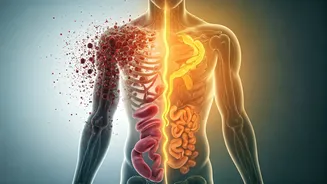
You might find yourself feeling less fatigued throughout the day, and the common energy slumps experienced after meals become less frequent. Concurrently, you may observe a reduction in intense cravings, particularly for sugary items and refined carbohydrates. This decreased desire for high-glycemic foods is a strong signal that your body is managing blood sugar more effectively, leading to greater stability and less reliance on quick energy fixes. The enhancement in sleep quality and a reduction in mood fluctuations are also commonly reported as insulin sensitivity improves, contributing to an overall sense of well-being.
Digestive and Hormonal Balance
Beyond energy and cravings, improvements in your digestive system and hormonal balance can also be key indicators of better insulin sensitivity. Many individuals report experiencing less bloating and a smoother, more efficient digestive process. For women, a significant sign of improved insulin regulation is the return of more consistent and regular menstrual cycles. These shifts underscore the body's enhanced ability to process glucose and maintain equilibrium. Furthermore, the skin often reflects these internal changes; conditions like acanthosis nigricans, characterized by dark, velvety patches on areas such as the neck and underarms, can begin to fade as insulin levels normalize. Acne breakouts may also decrease as hormonal fluctuations become more stable, leading to clearer, healthier-looking skin.
Weight and Waistline Changes
While the scale might not tell the whole story, changes in your body composition, particularly around the waistline, are significant markers of improving insulin resistance. A decrease in waist circumference, even preceding noticeable overall weight loss, points towards enhanced metabolic health. This reduction in abdominal fat is a direct result of your body utilizing glucose more efficiently, which in turn lessens fat accumulation. The increased insulin sensitivity aids in better energy distribution and storage, promoting a healthier body composition. It's important to recognize that these changes, especially fat reduction, require consistent effort and may take time, but even minor reductions are positive affirmations that your body is on the right track towards metabolic well-being and a healthier distribution of weight.
Timeline and Lifestyle Focus
The timeframe for observing these positive changes can vary considerably, with some effects appearing sooner than others. While enhanced energy and reduced cravings might become apparent within a few weeks of implementing lifestyle adjustments, more visible changes in skin and weight often take between 6 to 12 weeks to manifest. Conditions like dark skin spots may take several months to resolve fully with consistent support for insulin function. It's crucial to understand that weight loss is beneficial but not the sole determinant of metabolic health improvement; exercise can boost insulin sensitivity irrespective of weight changes. Prioritizing healthier food choices also plays a vital role in sugar processing. Therefore, focusing on consistent, holistic lifestyle changes rather than solely on the number on the scale is the most effective strategy for long-term health and improved insulin resistance.