



Inside-Out Hair Health
The quest for healthy hair often leads us to shelves filled with expensive serums and elaborate routines. However, celebrity nutritionist Rujuta Diwekar
champions a more fundamental approach: true hair vitality originates from within, significantly influenced by our daily food choices rather than solely relying on external products. She consistently emphasizes that a well-nourished body is the bedrock of strong hair. When our internal systems lack essential nutrients, hair health is frequently one of the first indicators. Excessive hair strands found in the drain or a noticeable thinning of the ponytail are often signals that the body is missing crucial dietary components. Diwekar also cautions against restrictive fad diets that eliminate entire food groups, as these can inadvertently compromise hair health over time by depriving the body of necessary building blocks and energy.
Everyday Foods for Growth
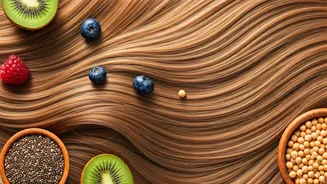
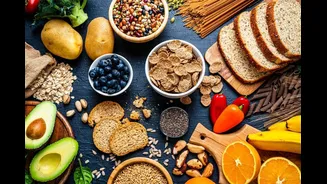
Instead of recommending hard-to-find exotic superfoods, Rujuta Diwekar advocates for harnessing the power of familiar ingredients readily available in Indian kitchens. Rice, often unfairly demonized in popular culture for weight management, is highlighted for its crucial role in providing sustained energy. This consistent energy supply is vital for the continuous regeneration and growth of hair follicles. Furthermore, seasonal fruits are not merely a healthy snack; they are packed with Vitamin C, a nutrient essential for enhancing iron absorption. Improved iron levels lead to better hemoglobin production, which in turn facilitates efficient oxygen transport to cells, directly contributing to hair that is both thicker and more resilient. Traditional pulses and legumes, such as moong, arhar, and chawli, are also integral to her dietary recommendations. These are rich in vital components like amino acids and B vitamins, which are fundamental for building hair structure, reducing breakage, and improving overall strand strength, though consistent consumption is key for observable results.
Tiny Seeds, Big Impact
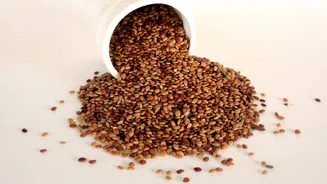
Diwekar also draws attention to the remarkable benefits of small seeds, particularly haleem (garden cress) seeds. These nutrient-dense powerhouses are brimming with essential nutrients like folic acid, which contribute significantly to the health of both skin and hair. When incorporated into the diet through traditional preparations like laddoos or a comforting bowl of kheer, these seeds offer a concentrated dose of goodness that supports cellular repair and growth. This focus on simple, accessible foods underscores Diwekar's philosophy that optimal hair health is achieved through a consistent, holistic approach that integrates nourishing meals with gentle external care practices.
Mindful External Care
While Diwekar firmly believes in the primacy of nutrition, she acknowledges that external care practices still play a supportive role in maintaining hair health. Traditional methods like a weekly oil massage can significantly boost scalp circulation, promoting a healthier environment for hair growth. Similarly, regular combing helps to distribute natural oils and stimulates the scalp. However, she strongly advises a mindful approach to chemical treatments. Excessive use of harsh chemicals found in styling products or salon procedures can lead to long-term damage that is difficult to reverse, even with a perfect diet. The overarching message is that achieving beautiful, healthy hair is an outcome of consistent, everyday habits—encompassing what we eat, how we care for our scalp, and our commitment to fundamental wellness, rather than relying on quick fixes or expensive treatments alone.