




The Queue Cutter
One common annoyance at airport security involves passengers who fail to select the correct queue, inadvertently adding to the overall wait time. Some
airports offer distinct lines for expedited security programs like TSA PreCheck, and mistakenly joining the wrong line can lead to unnecessary delays. It's crucial for travelers to take a moment before joining a queue to confirm they are in the appropriate line, considering factors like trusted traveler status. Furthermore, travelers should always factor in ample time for all stages of their airport journey, including parking, check-in, boarding pass collection, and the security screening process itself. Planning ahead by checking airport busyness based on historical data can also significantly improve efficiency.
Ignorance of Rules
A significant source of friction at airport security stems from passengers who are either unaware of or forget the established regulations. To preemptively address any uncertainties, the TSA offers a valuable resource called AskTSA. This service is readily available around the clock, providing answers to a wide range of travel-related queries, including questions about prohibited and permitted items, identification requirements, and much more. Travelers can access AskTSA through various channels, including the TSA website, the TSA app, social media platforms, and even via text message by sending 'Travel' to 275-872. Utilizing this resource before traveling can prevent confusion and ensure compliance.
Disorganized Packing
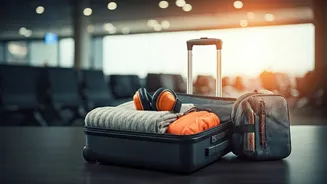
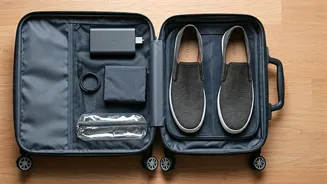
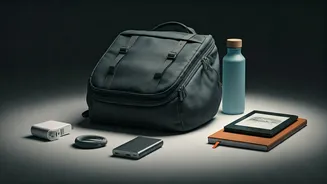
Overpacking and poor organization can transform the security screening process into a source of stress, not just for the individual but for everyone in the vicinity. The TSA advises passengers to get organized as they approach the security checkpoint. This involves having identification and boarding passes readily accessible, placing items like wallets and keys into carry-on bags, and taking a final moment to review packed items for any prohibited articles. For those unsure about what is permitted in carry-on luggage, the TSA website provides comprehensive guidance, helping travelers pack efficiently and avoid potential issues at the checkpoint.
Shoe Removal Hesitation
While it's a standard procedure, some travelers exhibit reluctance in removing their shoes when required for security screening. Although not every passenger will be asked to remove their footwear, it's a possibility if additional screening measures are deemed necessary. Cooperating with this request promptly by unlacing and removing shoes facilitates a quicker and smoother process for both the traveler and the security personnel, allowing everyone to proceed through the checkpoint without undue delay.
Excess Liquids
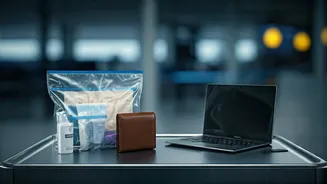
A crucial aspect of packing for air travel involves strict adherence to the TSA's regulations regarding liquids, gels, and aerosols. Bringing oversized liquids in carry-on bags can significantly impede the flow of the security line, affecting not only the individual passenger but all others as well. Each oversized liquid item necessitates a manual bag search, and an increase in bag searches directly translates to longer wait times for everyone. It's imperative to remember the "3-1-1 rule": liquids, aerosols, and gels must be in containers of 3.4 ounces or less, all fitting comfortably in one quart-sized, clear, zip-top bag. Any items exceeding this limit must be placed in checked luggage.