




Millets: The Ancient Grain Revival
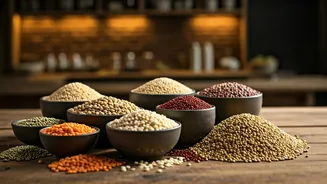
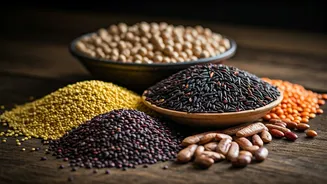
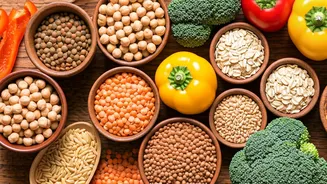
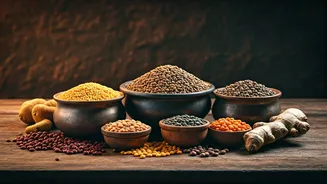
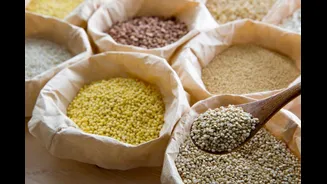
Long before the term 'supergrain' existed, millets like bajra, jowar, and ragi were fundamental to Indian diets. These hardy grains formed the basis of
rotis and porridges, providing sustained energy and nourishment that kept families going through long days. Their popularity waned with the rise of refined grains, but they've made a powerful comeback, lauded for their high fiber content, essential minerals, and ability to regulate blood sugar levels. Today, millets are recognized not merely as an alternative but as a superior choice for balanced eating, embodying the wisdom of our ancestors that modern science is now validating.
Jaggery: Nature's Sweetener
Before refined sugar took over, jaggery was the go-to sweetener in Indian households. It graced warm milk, sweetened traditional sweets, and was a comforting addition to winter dishes, offering a sense of warmth and vitality. Its reemergence as a 'natural' alternative to processed sugars is no surprise. Jaggery offers a richer, more complex flavor profile and a connection to tradition that processed sugar lacks. Its appeal lies in its rustic charm and inherent wholesomeness, satisfying a craving for sweetness that feels authentic and less industrialized, reconnecting us with generations of culinary heritage.
Curd: Gut Health's Foundation
Curd, or dahi, was never a fleeting trend in India; it was an indispensable part of daily meals. Served alongside lunch, incorporated into cooling drinks like chaas, or simply enjoyed as is, its benefits were unquestioned. Grandparents relied on its familiarity and effectiveness for digestion and overall well-being. Now, curd is celebrated globally as a probiotic powerhouse crucial for gut health and immunity. While science may amplify its virtues today, its role as a comforting and restorative food after heavy meals or during hot weather has remained constant, a testament to its enduring, unpretentious value.
Makhana: The Light Snack
For years, makhana, or fox nuts, occupied a humble niche, primarily consumed during fasts or as a lightly seasoned snack. Stored in everyday pantries, they were a quiet, easily digestible treat for children and an acknowledged health food by elders. Recently, makhana has undergone a remarkable transformation, re-emerging as a premium, health-focused snack. Marketed with sleek packaging, it's now lauded for its high protein and low-fat content, fitting perfectly into the mindful eating movement. This shift highlights makhana's inherent lightness and adaptability, making it a snack that bridges traditional simplicity with contemporary appeal.
Ghee: Nourishing Fat's Return
Ghee, clarified butter, was once a ubiquitous cooking medium in Indian kitchens, used liberally on everything from rotis to dals, imparting richness and flavor. It faced a period of skepticism due to evolving dietary guidelines but has now made a strong comeback. Embraced in moderation, ghee is valued for enhancing taste, promoting satiety, and reintroducing a sense of tradition to meals. For our grandparents, ghee was not an indulgence but a vital source of nourishment and strength. Its resurgence reflects a growing appreciation for foods that are both functionally beneficial and emotionally comforting.
Fermented Foods: Gut's Best Friend
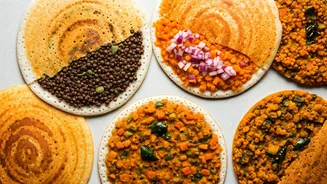
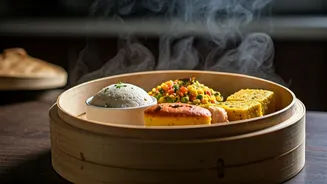
Long before the term 'microbiome' entered popular discourse, Indian kitchens were masters of fermentation, producing staples like idlis, dosas, dhokla, and various pickles. These foods were not consciously designed for wellness trends but were practical, seasonal, and deeply embedded in domestic culinary knowledge. Today, fermentation is a celebrated global health trend, recognized for its profound impact on digestion and gut flora diversity. In India, however, this ancient practice has always been an integral part of daily cooking, proving that what appears novel is often a deeply rooted tradition re-discovered.
Chutneys & Spices: Flavorful Function
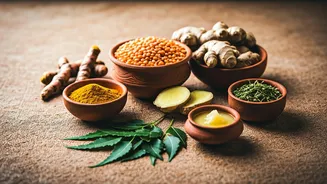
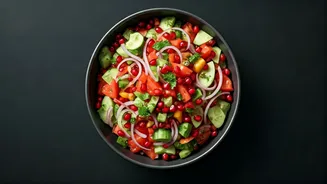
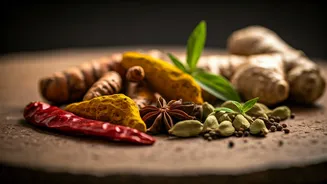
Grandparents viewed chutneys not as mere accompaniments but as essential flavor enhancers, providing zest, freshness, and complexity to any meal with varieties like coconut, mint, or tomato. Similarly, spices such as ajwain, jeera, and turmeric were daily essentials, valued for their digestive properties as much as their taste. Modern food culture is now recognizing this dual role of flavor and function, rediscovering how these humble additions elevate simple dishes. The renewed appreciation for chutneys and spices underscores the enduring brilliance of traditional Indian kitchens, which prioritized holistic well-being through everyday cooking.