



The Heist Unfolds
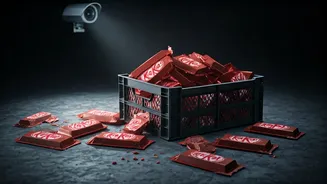
The world was recently captivated by an unusual event: the disappearance of an astonishing 12 tons of KitKat chocolate bars, amounting to over 413,000
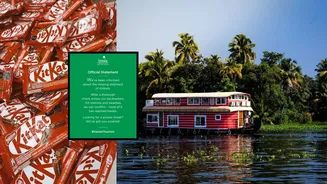
individual crunchy treats. This substantial confectionery theft quickly became a viral sensation, prompting a unique response from the manufacturer. Initially, the company issued a statement that was both a touch of exasperation and a dash of humor, acknowledging the thieves' apparent appreciation for their product while also highlighting the serious issue of cargo theft. This light-hearted yet firm reaction set the stage for a broader internet phenomenon, as other companies decided to join in on the fun, using the incident as a springboard for their own creative and engaging content.
Brand Banter Begins
Following the initial news and the manufacturer's clever statement, a fascinating trend emerged across social media. Numerous brands began posting their own humorous 'official statements,' playfully distancing themselves from the chocolate crime. These statements were crafted to be witty and attention-grabbing, often serving a dual purpose of acknowledging the viral event while subtly promoting their own offerings. It was a demonstration of how brands can engage with current events in a light-hearted manner, leveraging public interest to create memorable interactions. This collective participation turned the serious act of theft into a shared, amusing narrative across the digital landscape.
Hilarious Hoax Statements
The internet became a playground for brand creativity as companies issued a series of increasingly amusing 'official statements' in response to the 12-ton KitKat theft. One notable entry came from a pizza chain, which humorously offered a 'KitKat pizza' in a move that was both a nod to the event and a product promotion. Another popular brand humorously suggested they were 'product testing' for a new flavor. Even an airline joined the fray with a comical image of a plane loaded with the stolen chocolate. An international airport playfully announced they would be distributing chocolate ahead of Easter, linking it to 'having a break.' A delivery app humorously detailed a 'packaging error' leading to an abundance of KitKats, encouraging users to add them to their carts. A well-known web browser's social media account shared a mock email about finding 14 boxes of KitKats in the office. A popular online game presented a screenshot showing '12T of KitKats' as an in-game item. Fast-food giants and convenience stores also joined in, showcasing KitKat-themed desserts and drinks. Even automotive companies and movie theaters got in on the joke, with one posting a video of a car filled with the chocolate and another suggesting customers could enjoy KitKats discreetly in the dark. Travel companies shared videos of stolen chocolate being 'found' in exotic locations. Local tourism boards also chimed in, humorously stating the stolen goods hadn't reached their region and inviting visitors to 'take a break' there instead.
Beyond the Joke
While the brand reactions were primarily driven by humor and engagement, the original theft itself was tied to a specific product launch. The stolen KitKat bars were part of a special Formula One collection, introduced after KitKat became the official chocolate partner for Formula One. These particular bars were designed to resemble mini race cars, adding another layer to the narrative. The incident, therefore, not only sparked widespread amusement but also served as an indirect, albeit unintentional, highlight of this new branded merchandise, demonstrating the far-reaching and often unpredictable impact of viral events on product visibility.