






The Silent Buildup
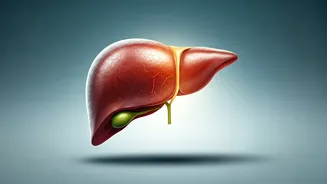
Fatty liver disease, specifically non-alcoholic fatty liver disease (NAFLD), is a growing concern in India, intricately tied to the demanding pace of corporate
environments. This condition doesn't manifest suddenly; rather, it develops gradually over time, influenced by consistent dietary choices and sedentary habits prevalent in office settings. The liver, a vital organ responsible for numerous metabolic functions, begins to store excess fat when bombarded with excessive sugars and unhealthy fats. This accumulation can eventually lead to inflammation, scarring, and more severe liver ailments. The modern office culture has dramatically altered eating patterns, leading to a significant price paid by the liver. Key contributors include the frequent consumption of sugary items, refined carbohydrates, and foods laden with unhealthy fats, all of which place a considerable burden on the liver's processing capabilities and contribute to fat accumulation within liver cells.
Desk Breakfast Pitfalls
Many office mornings commence with a quick coffee and a snack like biscuits, white bread, or sugary cereals, readily available from office pantries. These choices are often rich in refined carbohydrates, which are swiftly digested, causing sharp spikes in blood sugar. In response, the liver converts this excess sugar into fat through a process called de novo lipogenesis, leading to a gradual buildup of fat within liver cells on a daily basis. This pattern, when repeated, creates recurring sugar surges that the liver remembers. Such habits, coupled with a sedentary lifestyle, are recognized as significant drivers of metabolic disorders, as outlined in national health action plans. A seemingly harmless rushed breakfast can thus set the stage for chronic fat accumulation in the liver.
Liquid Calorie Danger
The office environment often normalizes the intake of sweetened beverages such as sugary coffee, energy drinks, packaged fruit juices, and sodas, which are easily consumed between meetings. These liquid calories are particularly insidious because they bypass the body's natural satiety signals. Fructose, a common component in these drinks, is primarily metabolized by the liver, and its excessive intake can accelerate fat production and exacerbate insulin resistance. Health guidelines emphasize limiting free sugars to less than 10% of daily caloric intake, ideally below 5%, for optimal health benefits. Despite not being perceived as meals, these sugary drinks contribute significantly to the liver's workload and fat accumulation, making them a silent yet potent threat to liver health.
Heavy Working Lunches
The convenience of food delivery apps has transformed weekday office lunches into calorie-dense affairs. Burgers, creamy pasta dishes, fried rice, and rich, butter-laden curries have become commonplace. These meals are typically high in saturated fats and refined carbohydrates, and when consumed alongside prolonged periods of sitting, they strongly promote weight gain and the accumulation of abdominal fat. Central obesity is closely linked to the development of fatty liver disease. The Indian Council of Medical Research (ICMR) has consistently highlighted the rise in overweight and obesity rates in urban India and their connection to increasing metabolic diseases. It's not the food itself, but the frequency and portion sizes, combined with sedentary habits, that create a daily stressor for the liver, particularly after a heavy lunch followed by extended sitting.
Late-Night Eating Culture
Extended work hours, late meetings, and collaboration with global teams often push dinner times to 10 pm or even later, frequently accompanied by snacking while finishing emails. This disruption of the body's natural circadian rhythm significantly impacts metabolic balance and diminishes insulin sensitivity. When calories are consumed late into the night and sleep duration is insufficient, the liver's capacity to efficiently process nutrients is compromised. Furthermore, sleep deprivation can intensify cravings for high-fat and high-sugar foods, creating a detrimental cycle that further strains liver function. Adhering to natural daily rhythms is crucial for maintaining metabolic health and preventing the adverse effects of late-night eating on the liver.
Weekend Indulgence
There's a misconception that disciplined weekdays can compensate for indulgent weekends. However, binge drinking, even if limited to once or twice a week, imposes a significant strain on the liver. Alcohol is directly toxic to liver cells, and when combined with existing fat accumulation from poor dietary choices during the week, it escalates the risk of inflammation and fibrosis. Even moderate 'social' drinking can become detrimental when layered upon existing metabolic stress. The liver requires consistent care, and weekend overindulgence can negate the benefits of weekday discipline, exacerbating liver damage.
Protein Deficiency Problem
Modern urban diets, while often calorie-rich, tend to be deficient in quality protein. Meals may be abundant in carbohydrates like rice and bread, along with fats, but lack sufficient protein. Protein plays a crucial role in preserving muscle mass, which in turn enhances insulin sensitivity and aids in clearing glucose from the bloodstream. When protein intake is low and physical activity is minimal, the body tends to store more energy as fat, including within the liver. ICMR-NIN dietary guidelines recommend a balanced macronutrient intake, ensuring adequate protein from sources like pulses, dairy, eggs, fish, or lean meats. A meal lacking adequate protein is incomplete and can lead to a state of being 'overfed but undernourished,' contributing to fat storage in the liver.
The Sedentary Trap
Fatty liver disease is not solely a consequence of dietary choices; it is also heavily influenced by physical activity, or the lack thereof. Corporate roles often necessitate prolonged periods of sitting, typically 8-10 hours daily. This lack of physical activity reduces overall calorie expenditure and worsens insulin resistance, two key factors in the development of fatty liver. Even regular gym sessions cannot entirely counteract the negative effects of prolonged sitting. Public health recommendations advocate for at least 150-300 minutes of moderate physical activity per week for adults. Regular movement is essential for the liver to effectively utilize stored fat; without it, fat storage continues unabated.
Reversal is Possible
The good news is that non-alcoholic fatty liver disease can often be reversed through consistent, simple lifestyle modifications. Incorporating more fresh fruits, vegetables, whole grains, and lean proteins into one's diet can significantly reduce fat buildup in the liver. Limiting sugary beverages and processed foods, maintaining regular physical activity, and achieving a healthy body weight are paramount steps towards improving liver health. Even a modest weight loss of 5-10% of total body weight has been shown to improve liver fat levels. A balanced diet, reduced sugar intake, consistent exercise, and adequate sleep collectively work to reduce liver fat and inflammation. The key to reversal lies not in a single 'superfood' but in steady, practical changes like smaller portions, increased fiber, sufficient protein, reduced sugar, and incorporating more movement throughout the day. Consistency in these habits, rather than striving for perfection, is the most effective path to liver recovery.