




A Giant Leap Forward
The realm of autonomous transportation is witnessing a seismic shift as a leading robotaxi innovator has successfully secured an astounding $16 billion
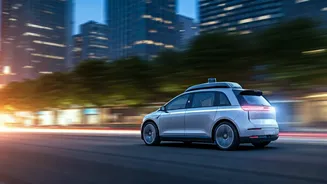
in new funding. This substantial capital infusion is earmarked to significantly bolster its ambitious plans for worldwide fleet expansion. The company's current valuation now stands at an impressive $126 billion, a testament to investors' keen interest in the burgeoning robotaxi market. This figure highlights Waymo's remarkable progression from its origins as a speculative project within Google seventeen years ago, especially when contrasted with its valuation of approximately $30 billion just five years prior following earlier funding rounds. This substantial financial backing positions the company to aggressively pursue its vision of ubiquitous self-driving rides.
Fueling Global Ambitions
With this significant financial injection, the company intends to dramatically broaden its operational footprint, moving beyond the six current metropolitan areas where its autonomous vehicles are already providing rides across California, Arizona, Georgia, Texas, and Florida. The strategic plan involves launching services in over 20 additional cities, with international destinations like London and Tokyo on the horizon. Currently, the fleet is already facilitating more than 400,000 weekly passenger journeys. The company expressed confidence in its ability to advance at an unprecedented pace while rigorously upholding its industry-leading safety benchmarks. This expansive strategy underscores a commitment to scaling autonomous mobility solutions globally, aiming to meet diverse urban transportation needs.
Navigating Challenges Ahead
Despite a largely commendable safety record for its autonomous vehicles, the company has encountered notable incidents that have drawn public scrutiny and prompted regulatory investigations. For instance, a previous incident in San Francisco involved a robotaxi colliding with a beloved neighborhood cat. Furthermore, during a widespread power outage, several autonomous vehicles experienced operational disruptions, leading to traffic congestion in intersections. Regulatory bodies are also examining reports from Austin, Texas, concerning the company's vehicles operating in close proximity to school buses. These challenges underscore the complexities and ongoing scrutiny associated with deploying autonomous technology in real-world, dynamic environments, even as the company pursues expansion.
Competitive Landscape Evolves
As the company forges ahead, it anticipates intensified competition from well-funded rivals. Amazon-backed Zoox is actively developing its autonomous ride-hailing services, particularly within San Francisco. Simultaneously, another significant player is continuing its pursuit of establishing a nationwide network of robotaxis. This evolving competitive dynamic highlights the race to capture market share and realize the vision of widespread autonomous mobility. The substantial investment Waymo has received positions it to contend effectively within this rapidly advancing and increasingly crowded sector, aiming to maintain its pioneering edge.