




The Calf's Crucial Role
Prolonged sitting can significantly impede blood flow, particularly in the lower extremities, often leading to sensations of heaviness or noticeable swelling.
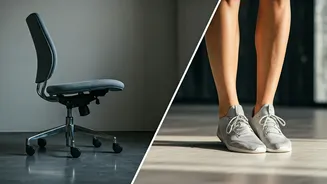
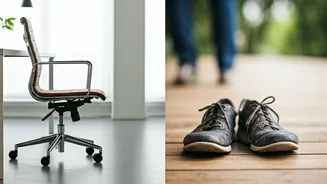
Seated calf raises, though seemingly minor, play a vital role in counteracting this. The calf muscles function akin to a secondary circulatory pump, assisting the return of blood towards the heart. By repeatedly lifting and lowering the heels while seated, these muscles are kept active, thereby supporting improved circulation. While not a substitute for comprehensive physical activity, this simple movement offers a practical solution for maintaining a degree of activity during extended periods of desk work. It's a focused way to engage muscles essential for vascular health when more extensive movement isn't feasible.
Walking's Wider Reach
Walking emerges as a more comprehensive solution for combating sedentary stiffness because it engages a multitude of muscle groups simultaneously. This includes the major muscles of the legs, hips, and even the core. Beyond muscular engagement, regular walking significantly enhances overall blood circulation and contributes positively to cardiovascular well-being, actively reducing the rigidity that often accompanies long hours of sitting. Even brief walking intervals, as short as 5 to 10 minutes taken during short breaks, can yield tangible improvements in comfort and mobility. While seated calf raises hold merit, especially when frequent movement is impractical, walking provides a more holistic approach to physical activity.
Optimal Sedentary Strategy
For individuals whose work demands long periods of sitting, a dual approach combining both walking and seated exercises like calf raises is recommended. Walking is inherently advantageous as it stimulates various muscle groups, promotes robust blood circulation, bolsters joint flexibility, and mitigates the risks associated with stiffness and potential blood clots. Many opt for walking as a primary method of staying active when other forms of exercise are unachievable, also reaping benefits for heart health and weight management. Seated calf raises prove their worth in situations where continuous movement is impossible, such as during intense desk work. These exercises specifically target calf muscles, aiding venous return and alleviating lower leg swelling, though they lack the full-body impact of walking.
Consistent Movement Wins
The most effective strategy for mitigating the ill effects of a sedentary lifestyle involves incorporating small, consistent bouts of movement throughout the day, rather than relying on a single, extended workout followed by inactivity. Making it a habit to stand up and walk for a few minutes every hour helps the body to 'reset', thereby reducing accumulated stiffness. In the interim periods between these short walks, engaging in seated exercises such as calf raises, ankle rotations, or simple stretches is highly beneficial. These actions keep the leg muscles active and contribute to better circulation and overall joint comfort, promoting sustained mobility and well-being throughout the workday.