





The Sleep-Skin Connection
During a recent discussion, Dr. Viny Kantroo, a pulmonologist, shared an intriguing insight with actress Soha Ali Khan regarding sleep postures and their
effects on women's skin. While many find comfort sleeping on their stomach, Dr. Kantroo explained that this position can negatively impact skin health. This is because sleeping face-down can reduce circulation to the face, potentially leading to puffiness, particularly around the eyes. The doctor highlighted that a comparison between waking up after sleeping on the stomach versus on the back often reveals a noticeable difference in facial appearance. Soha Ali Khan herself resonated with this observation, admitting that despite trying, she frequently ends up on her stomach during sleep.
Pressure Points and Skin Woes
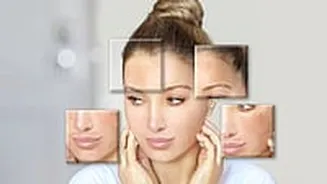
Beyond your nightly skincare routine, the physical forces exerted on your skin during sleep significantly influence its appearance, as emphasized by Dr. Ajay Dodeja, a dermatology consultant. The prolonged contact of your face with your pillow throughout the night can contribute to issues like puffiness, the formation of creases, and an overall less vibrant complexion. Dr. Dodeja elaborated that the face-down sleeping position imposes continuous pressure on the skin. This pressure can impede the natural flow of lymphatic fluid, causing it to accumulate, especially in the delicate under-eye area. Consequently, this can result in morning puffiness and the development of fine lines or 'sleep lines' which may become more pronounced with sustained pressure over time.
Back vs. Side vs. Stomach
When it comes to skin health, sleeping on your back is generally considered the most advantageous position as it completely avoids direct facial pressure. However, if back sleeping isn't comfortable, side sleeping presents a better alternative than stomach sleeping, though it still introduces some unevenness. Consistently sleeping on one side might eventually lead to the development of fine lines or subtle asymmetry on that side of the face. Stomach sleeping, on the other hand, is the least favorable for the skin due to the direct and sustained pressure it applies, exacerbating the potential for puffiness and wrinkles.
Long-Term Ageing Effects
While the impact of sleeping position on skin ageing is subtle rather than immediate, it can contribute to long-term changes. The continuous pressure exerted on the skin night after night can lead to the formation of 'sleep lines,' which are distinct from expression lines caused by facial movements. As skin naturally loses its elasticity with age, these persistent sleep lines can become considerably more noticeable if the sleeping habit remains unchanged for many years. This gradual transformation underscores the importance of considering sleep posture as a factor in maintaining youthful-looking skin over the long haul.
Mitigating Sleep Position Damage
For those who find it challenging to alter their ingrained sleeping positions, several proactive measures can help minimize the detrimental effects on the skin. Opting for pillowcases made from smoother materials like silk or satin can reduce friction against the skin, thereby lessening irritation and creasing. Ensuring the skin is well-hydrated before bed by using a good moisturizer can bolster its natural barrier function and resilience. Elevating the head slightly, perhaps with an extra pillow, can aid in reducing fluid accumulation around the eyes, thereby combating puffiness. Furthermore, maintaining consistent sleep hygiene, including a regular sleep schedule, contributes to overall skin health.
Beyond Sleep: Other Factors
It's crucial to recognize that under-eye puffiness isn't solely attributable to one's sleeping posture. Dr. Dodeja points out that several other common factors can contribute to a swollen or tired appearance around the eyes. These include insufficient sleep, consuming a high-sodium diet, experiencing allergic reactions or sinus congestion, and general dehydration. Therefore, while optimizing your sleeping position can certainly benefit your skin, addressing these other lifestyle elements is equally important for achieving a refreshed and clear complexion.