






Innate Love, Learned Hate
Children arrive in this world with an inherent purity, possessing natural inclinations towards affection and forgiveness. This innate quality is evident
in their spontaneous smiles, their quickness to forgive perceived wrongs, and their readiness to share. These positive traits are not instilled through explicit instruction but emerge organically from a foundational character devoid of negative emotions. Conversely, the development of hate is a learned process, not necessarily through direct teaching, but through exposure to negative patterns in their surroundings. When children witness critical remarks, judgmental attitudes, or angry outbursts from their caregivers, they begin to internalize these reactions as acceptable behaviors. This observational learning is a powerful shaper of their emotional and social development, underscoring the crucial role of the environment in their upbringing.
Fostering Positivity At Home
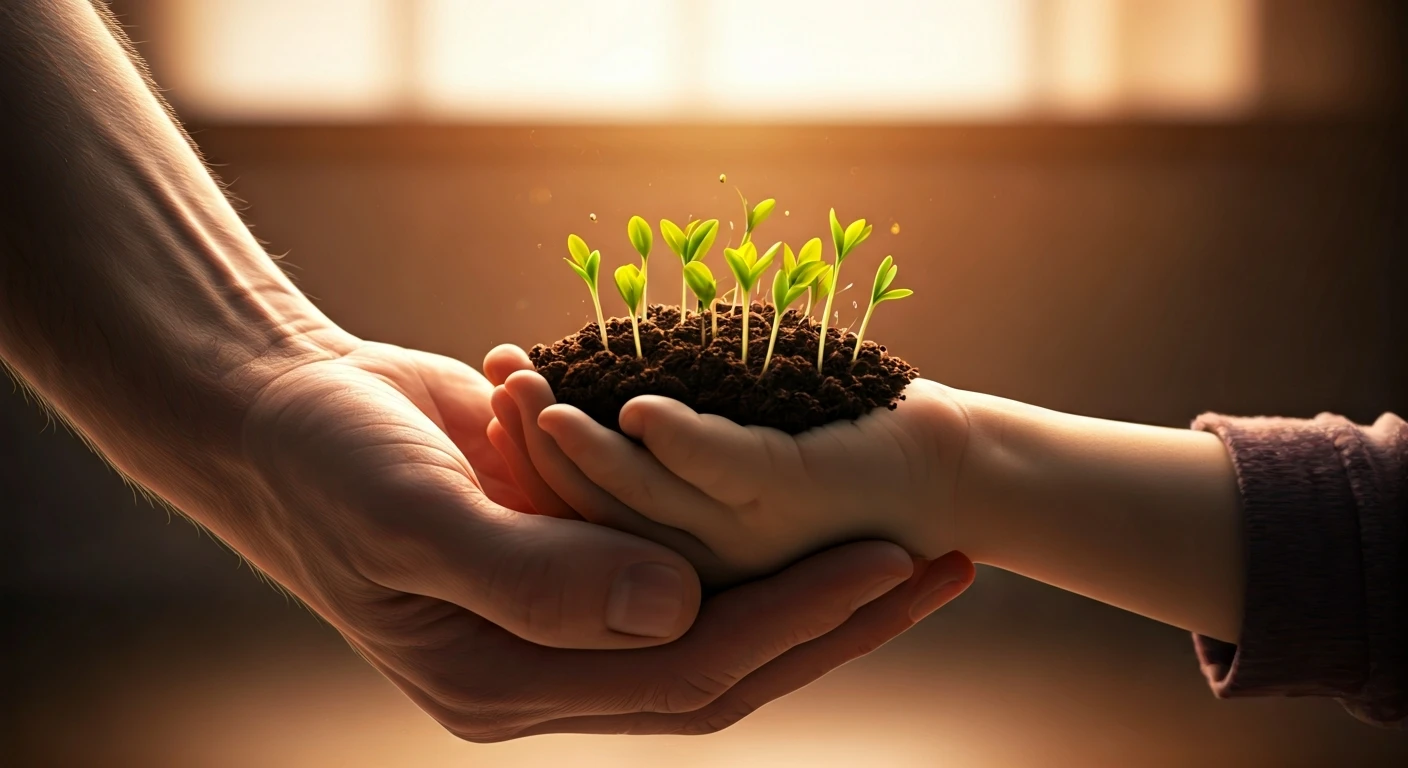
To nurture a child's inherent capacity for love and kindness, it is essential to cultivate a home environment characterized by trust and respect. When children feel heard and valued, they are more likely to retain their natural empathy and compassion. This supportive atmosphere empowers them to develop effective emotional regulation skills, allowing them to process feelings without suppression. In the fast-paced modern world, parents may inadvertently overlook the significant impact of their actions and attitudes on their children. The adage 'Love comes naturally, hate is taught' serves as a vital reminder for parents to pause, reflect, and realign their parenting approaches. By consciously creating a loving and understanding space, parents can help their children navigate their emotional journey, ensuring they grow into compassionate and well-adjusted individuals.