





Observance Date and Tithi
Maha Shivratri, a night of immense spiritual importance in the Hindu calendar, will be celebrated on Sunday, February 15, 2026. This significant festival
falls on the Chaturdashi tithi of the Krishna Paksha in the month of Phalguna. The tithi itself commences on the evening of February 15th and extends into the following day, February 16th, making the night vigil particularly potent for worship. Devotees typically commence their day-long fast from the first light of dawn on February 15th, concluding their observance the subsequent morning after the completion of the Chaturdashi tithi through a ritual known as 'parana', or the breaking of the fast. The emphasis of Maha Shivratri lies in the spiritual elevation and a deep connection with Lord Shiva, symbolising the victory of divine consciousness over ignorance and the triumph of unwavering devotion over ego.
The Four Prahar Pujas
The sacred night of Maha Shivratri is thoughtfully divided into four distinct periods, known as 'prahars', each offering a unique opportunity for devoted worship of Lord Shiva. In 2026, the spiritual journey begins with the first prahar shortly after sunset on February 15th, followed by the second prahar extending into the late evening hours. The third prahar holds particular significance, encompassing the highly auspicious 'Nishita Kaal', the midnight period, which falls around the heart of the night. Finally, the fourth prahar extends into the early dawn of February 16th, concluding just as the sun begins to rise. Each of these prahars is considered a window for devotees to connect with the divine energy of Lord Shiva, with specific mantras and rituals often performed during these times.
Significance of Nishita Kaal
Among the four prahars of Maha Shivratri night, the 'Nishita Kaal' is widely regarded by religious scholars and priests as the most spiritually meritorious time for performing Shiva puja. This period, which occurs around midnight, is believed to be when the divine energy of Lord Shiva is at its absolute peak. Observing rituals and offering prayers during Nishita Kaal is thought to bestow the maximum spiritual benefits upon the devotee. It's a time when the veil between the material and spiritual worlds is considered thinnest, allowing for a profound connection and the potential for significant spiritual awakening. Many devotees meticulously plan their fasting and worship to coincide with this powerful midnight hour.
Traditional Rituals and Offerings
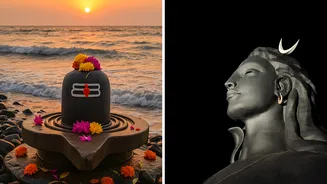
The core practices of Maha Shivratri revolve around a rigorous fast ('vrat'), an all-night vigil ('jagran'), and the reverent worship of the Shiva Lingam. Devotees meticulously prepare sacred items to offer to the Lingam, which are considered especially dear to Lord Shiva. These offerings typically include pure water, milk, honey, curd, and ghee, alongside the sacred 'bilva' leaves, which hold a special place in Shiva worship. While many devotees observe a complete fast, abstaining from both food and water, others opt for a partial fast, incorporating fruits and milk into their diet. The night is also filled with the continuous chanting of the mantra 'Om Namah Shivaya', the recitation of verses from the Shiva Purana, and periods of deep meditation, all contributing to the spiritual atmosphere.
Spiritual Meanings and Observance
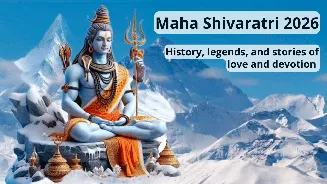
Maha Shivratri is deeply woven with significant events and symbolism from Lord Shiva's lore. It is believed to commemorate his cosmic dance of Tandava, his divine marriage to Goddess Parvati, and his ultimate role as the supreme ascetic who transcends worldly attachments and illusions. Unlike many Hindu festivals that are marked by boisterous celebrations and feasting, Maha Shivratri is a time of profound introspection, restraint, and inner silence. The act of staying awake throughout the night symbolises a commitment to remaining alert and aware of truth and self-knowledge. Religious leaders often highlight the festival as a prime opportunity for devotees to cultivate discipline, practice detachment, and deepen their devotion, all while seeking inner peace, mental clarity, and spiritual advancement.