
Health and Economy
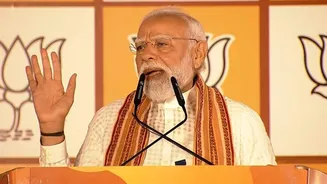
Prime Minister Narendra Modi recently addressed the nation, urging a conscious reduction in edible oil consumption. This appeal is rooted in a dual understanding
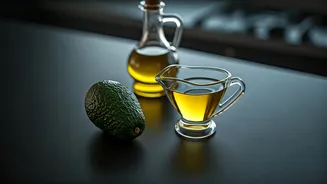
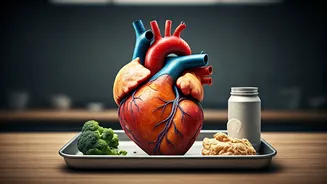
of its impact: on individual health and the broader economic landscape of India. Excessive oil intake is a significant contributor to various health ailments, including weight gain, elevated cholesterol levels, and increased risks of heart disease. By moderating oil usage, individuals can actively contribute to their own well-being, fostering better metabolic function and reducing inflammation. Furthermore, India's substantial reliance on imported edible oils creates economic vulnerabilities. Decreasing domestic consumption directly translates to a reduced import bill, thereby bolstering economic stability and self-sufficiency, especially in times of global uncertainty and geopolitical instability. This call to action emphasizes that minor dietary adjustments can have a substantial collective positive effect on both personal health and national economic resilience.
Why Less Oil Matters
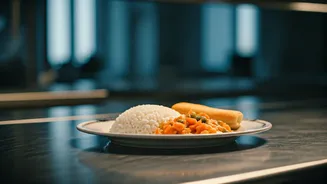
Indian cuisine often incorporates a generous amount of oil to achieve characteristic flavors and textures, particularly through frying and tempering. While certain fats are essential for bodily functions, an overabundance of oil can lead to detrimental health consequences. Opting for methods like steaming, roasting, grilling, and light sautéing not only reduces the oil content but also allows the natural flavors and vital nutrients of ingredients such as vegetables, legumes, and grains to shine through more prominently. Meals prepared with less oil tend to be lighter, easier to digest, and contribute to improved cardiovascular health, better weight management, and a more balanced metabolism. Embracing these cooking techniques ensures that meals remain both nourishing and flavorful, supporting a healthier lifestyle without compromising on the essence of Indian culinary traditions. This approach is a direct step towards a healthier you and a more economically secure nation.
Sprouts Salad Recipe
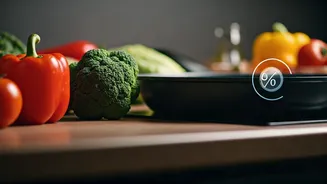
A vibrant and nutrient-dense Sprouts Salad offers a fantastic way to enjoy a meal with virtually no added oil. This dish is exceptionally easy to prepare and brimming with plant-based protein, dietary fiber, and essential vitamins, ensuring a satisfying and wholesome experience. To make it, begin by lightly boiling your preferred sprouts, such as moong sprouts. Once tender, combine them in a bowl with finely chopped ingredients like red onions, ripe tomatoes, crisp cucumber, fresh coriander leaves, and a hint of green chili for a mild kick. Elevate the flavor profile with a generous squeeze of fresh lemon juice, a sprinkle of black salt for a unique tang, and a dusting of roasted cumin powder for an earthy aroma. This salad is a perfect example of how healthy eating can be both simple and incredibly delicious, requiring minimal effort and zero oil.
Idli and Steamed Poha
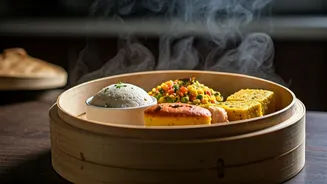
Idli stands out as an exceptionally healthy and easily digestible South Indian staple, naturally prepared with minimal fat. These soft, steamed dumplings are a product of fermentation, which also contributes positively to gut health. The batter is traditionally made from soaked rice and urad dal, which is then fermented overnight before being steamed to perfection in idli molds. They pair wonderfully with tangy sambhar or fresh coconut chutney for a complete meal. Another excellent low-oil option is Steamed Poha. While traditional poha often involves oil-based tempering, a steamed version retains its delightful texture and taste. Simply wash and soften flattened rice, then steam it lightly. Afterwards, toss the steamed poha with roasted peanuts for crunch, chopped onions and tomatoes for freshness, a squeeze of lemon juice for zest, and fresh coriander and green chilies for an added layer of flavor. Both dishes exemplify how traditional Indian foods can be adapted for healthier, low-oil preparation.
Chana Chaat Delight
Chana Chaat transforms simple boiled chickpeas into a dynamic and flavorful snack or a light meal without the need for frying or excessive oil. This popular Indian street food can be easily recreated at home with a focus on fresh ingredients and vibrant spices. Start with well-cooked chickpeas and mix them thoroughly with finely diced onions, juicy tomatoes, crisp cucumber, and freshly chopped coriander leaves. To give it that characteristic chaat flavor, add a generous pinch of chaat masala, some roasted cumin powder for warmth, and black salt for a distinctive taste. A final squeeze of lemon juice provides a refreshing tang that ties all the flavors together. This preparation is a testament to the fact that healthy eating can be exciting and packed with flavor, proving that a nutritious snack doesn't have to be bland or complicated, and can be made with minimal to no oil.
Dhokla and Cheela
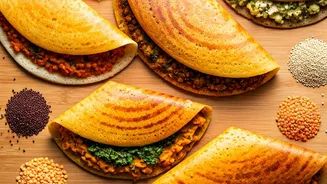
Dhokla, a beloved Gujarati specialty, is inherently a steamed dish that can be prepared with a very limited amount of oil, making it a healthy choice. The batter is typically crafted from besan (gram flour), yogurt, water, a pinch of turmeric for color, and fruit salt for lightness, and then steamed until wonderfully fluffy. For those who prefer a traditional touch, a small amount of oil can be used for a quick tempering of mustard seeds and curry leaves. Complementing this is Cheela, a versatile Indian pancake that is an ideal low-oil option suitable for any meal, be it breakfast, lunch, or a snack. The batter can be made from besan or moong dal, enhanced with finely chopped onions, tomatoes, coriander, green chilies, and a blend of Indian spices. Cooked on a non-stick pan with minimal or no oil, Cheela offers a delightful texture, crisp on the outside and soft within, showcasing how traditional savory pancakes can be health-conscious.