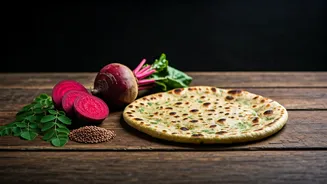









Complementary Nutrition Unleashed
The fusion of moringa, beetroot, nuts, and ragi within a single roti transcends a mere culinary trend, offering a robust nutritional profile. As lifestyle
medicine physician Dr. Sumeet Siroya highlights, integrating diverse plant-based ingredients like these into one meal significantly enhances its nutritional density without increasing portion sizes. This synergistic approach creates a more complete nutritional intake than consuming each ingredient in isolation. Ragi, a traditional grain, contributes essential calcium, dietary fiber, and slow-releasing complex carbohydrates, which are vital for sustained energy levels and digestive health. Moringa, often revered for its potent health properties, provides a wealth of iron, powerful antioxidants, and valuable plant-based protein, addressing common deficiencies. Beetroot enriches the roti with folate, crucial for cell growth and repair, and a spectrum of beneficial phytonutrients. Rounding out the blend, nuts introduce healthy fats and a range of indispensable micronutrients, further bolstering the overall nutritional value. This thoughtful layering ensures the body receives a broader spectrum of vitamins, minerals, and macronutrients, promoting a feeling of fullness and preventing abrupt energy fluctuations throughout the day.
Urban Staples, Modern Benefits
While often categorized as 'superfoods,' Dr. Siroya prefers to describe moringa and ragi as 'nutrient-dense traditional staples' that are particularly relevant in today's urban Indian context. In environments often characterized by sedentary lifestyles and a prevalence of processed foods, the high calcium content inherent in ragi plays a critical role in supporting robust bone health and also aids in managing cholesterol levels and promoting smooth digestion. Moringa, on the other hand, is a treasure trove of antioxidants, iron, vitamin C, and plant protein, nutrients that many urban dwellers find themselves lacking. Consistent integration of these ingredients into daily meals can offer significant support for the immune system, contribute to cardiovascular health, and help maintain metabolic equilibrium. It's important to understand that these are not miracle cures, but rather foundational elements that, when incorporated regularly, effectively help to rectify common nutritional imbalances that can arise from modern dietary habits.
Metabolic Harmony and Taste Appeal
The natural sweetness of beetroot and the healthy fats from nuts not only enhance the flavor profile of this unique roti but also contribute positively to metabolic health, rather than detracting from it. This combination is a prime example of a nutritionally balanced composition, featuring complex carbohydrates from ragi, dietary fiber from both moringa and beetroot, and a beneficial mix of protein and fats from the nuts. This intricate blend works together to effectively slow down the absorption of glucose into the bloodstream. Consequently, meals like this can be highly beneficial for individuals who are actively managing their blood sugar levels or working towards weight management, provided that portion sizes are kept in check and an overall healthy lifestyle is maintained. Dr. Siroya emphasizes that no single food item operates in isolation; factors such as regular physical activity, adequate sleep, and total caloric intake remain paramount for overall health and well-being. Therefore, while this roti offers significant nutritional advantages, it is best viewed as a component of a broader, holistic approach to health.
The Indispensable Role of Flavor
Beyond the quantifiable nutritional benefits, the sensory experience of eating plays a crucial role in fostering long-term healthy eating habits. Dr. Siroya underscores that taste and texture are fundamental to sustained adherence to any dietary plan. The interplay of moringa's subtle bitterness, beetroot's natural sweetness, ragi's earthy nuttiness, and the satisfying crunch of added nuts creates a rich tapestry of sensory satisfaction. When healthy food is genuinely enjoyable, the inclination to crave highly processed, less nutritious alternatives diminishes significantly. Furthermore, incorporating a variety of flavors and textures encourages mindful eating practices. This diversity enhances satiety signals, contributing to a greater sense of fullness and satisfaction from the meal. Restrictive or bland diets are notoriously difficult to sustain over time and rarely lead to lasting behavioral change. By ensuring that nutrition and flavor coexist harmoniously, healthy eating transitions from feeling like a difficult chore to becoming an integrated and sustainable lifestyle choice.