


Beyond Conventional Love
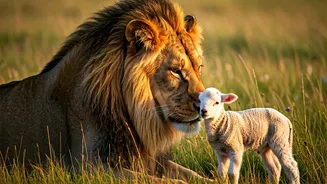
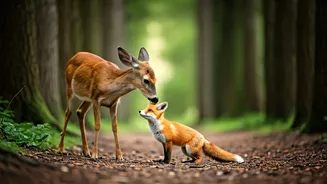
The animal kingdom presents a myriad of intriguing relationships, some of which venture beyond the typical mating norms we expect. These instances of cross-species
bonding, where animals form romantic or mate-like attachments with individuals from different species, are driven by a complex interplay of factors. These can include innate hormonal influences, the process of imprinting early in life, social isolation, an imbalance in the availability of mates, or even conditions encountered in captivity. These remarkable connections, often defying biological expectations, offer a unique glimpse into the diverse expressions of affiliation and affection within the animal world.
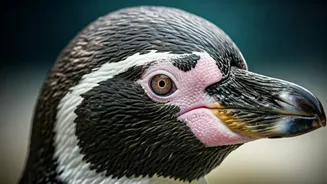
Penguins' Unusual Pairings
In controlled environments like zoos, penguins have exhibited a tendency to form strong bonds with other penguin species, deviating from pairings within their own kind. It's not uncommon to witness same-sex pairings among these birds, where they engage in courtship displays, diligently build nests together, and even attempt to incubate eggs that are not their own. Beyond their own species, some penguins have been known to develop attachments to their human caretakers, following them closely and exhibiting behaviors reminiscent of courtship rituals, highlighting the diverse nature of their social interactions and affections.
Swans' Cross-Species Affection
Renowned for their lifelong monogamy, swans, when faced with a lack of a suitable mate from their own species, have been documented forming bonds with other avian creatures, such as ducks or geese. In even more unusual circumstances, some swans have reportedly bonded with inanimate objects like boats. These cross-species or object-based relationships involve behaviors analogous to true courtship, including protectiveness, mutual grooming, and displays of affection, demonstrating a remarkable capacity for forming deep attachments outside of typical biological partnerships.
Dolphins' Maternal Tendencies
Female dolphins occasionally demonstrate nurturing behaviors towards the young of other species, carrying or bonding with them. In captive settings, they might show persistent interest in other animals. While these actions might appear as romantic or mate-like bonds, experts suggest they are more likely expressions of strong maternal instincts, profound social curiosity, or perhaps misdirected affection, rather than a drive for reproductive connection with other species.
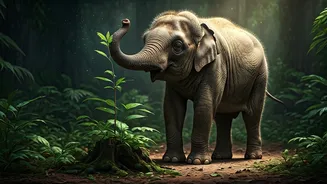
Elephants' Hormonal Connections
During periods of 'musth,' when male elephants experience exceptionally high levels of reproductive hormones, they have been observed exhibiting sexual or affiliative behaviors towards other species. This has included interactions with rhinos and even humans. It is believed that these potent hormonal surges, combined with a lack of social experience, are the primary drivers behind these unusual and transient cross-species bonds that manifest during these intense physiological states.
Dogs' Inter-Species Devotion
Dogs are well-known for their capacity to form deep and loyal attachments with a wide variety of animals from different species, including cats, goats, and horses. These bonds are characterized by behaviors such as mutual grooming, protective guarding, constant companionship, and playful interactions. These actions often mirror the instinctual behaviors associated with mate-guarding or courtship that are seen in their natural wild environments, underscoring the strong social bonds that dogs can forge.