






The Golden Rule
The fundamental principle of airplane dining revolves around consideration for others, treating the cabin as a shared, albeit small, community space. Etiquette
authorities emphasize a "good neighbor" approach, urging travelers to assess their chosen snacks from the perspective of the person seated next to them. If a food item would be unpleasant to experience in close proximity, it's best to select an alternative. This principle extends beyond just smell to encompass the overall sensory experience. An airplane is not your personal kitchen, so maintaining a "scent bubble" and respecting personal space are paramount. The overarching guideline for in-flight eating is simple yet powerful: "If it smells, it repels." This means prioritizing foods that are non-aromatic, quiet to consume, easy to manage without creating a mess, and consumed at appropriate times, avoiding elaborate meals during boarding when space is at a premium and movement is restricted. Furthermore, impeccable cleanup is crucial, as airplane hygiene can be a concern, and leaving a tidy seat benefits both cleaning crews and subsequent passengers.
Smart Snack Choices
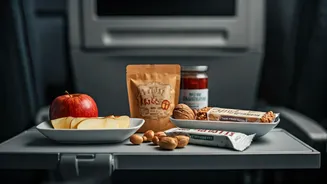
When it comes to selecting agreeable snacks for air travel, several options consistently earn high marks from etiquette professionals. Peanut-free trail mix stands out as a top contender due to its portability and versatility. This blend offers a convenient source of energy and can be customized to individual preferences, provided it steers clear of common allergens like peanuts, which is a significant consideration for fellow passengers. Another excellent choice is a non-crumbly protein bar. These are favored because they are satisfying, easy to eat discreetly, and can be consumed at a leisurely pace without causing a disturbance. Opt for chewy, substantial bars rather than those prone to disintegrating into a cascade of crumbs. Finally, small, individually wrapped candies or dark chocolate squares are also endorsed. These are ideal for satisfying a sweet craving without creating a mess, melting, or leaving residue. Their contained nature allows for staggered enjoyment throughout the flight, making the journey more pleasant without impacting those around you. The key is to choose items that are low-odor, produce minimal noise, and are easy to handle.
Foods to Sidestep
Conversely, certain foods are widely discouraged for in-flight consumption due to their potent aromas and messy nature. Items that are hot, fried, or possess a strong, fishy odor are particularly problematic, as their scents tend to linger and can make the enclosed environment uncomfortable for everyone. This includes things like fried fish sandwiches. Similarly, anything saucy or inherently messy, such as tuna salad served in sandwiches or wraps, should be avoided. The strong smell of tuna salad, in particular, is known to permeate the cabin quickly. On a more extreme note, certain fruits, like durian, are so exceptionally pungent that they are actually prohibited on some airlines due to their overwhelming odor in confined spaces. The consensus is that if a food item is likely to offend the senses or create a significant mess, it's best to save it for consumption on the ground, where there are fewer restrictions and a greater ability to manage its impact.