


The Whole Grain Powerhouse
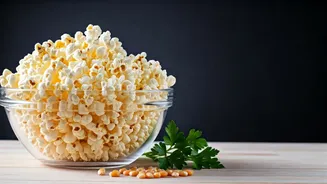
Popcorn, a beloved snack often linked with indulgent movie nights, actually originates from maize, a whole grain. When prepared in its simplest forms,
both maize and popcorn offer significant nutritional advantages. They are excellent sources of dietary fiber and potent antioxidants, contributing to sustained energy levels. The key to unlocking these benefits lies entirely in the preparation method and how these delightful kernels are consumed. Experts highlight that popcorn is frequently misunderstood as a guilty pleasure, when in fact, it's a snack that begins its life as a nutrient-dense whole grain. The heating process merely transforms the maize kernel, preserving the bran and germ, which are packed with fiber, antioxidants, and vital micronutrients. When air-popped and seasoned lightly, popcorn delivers a unique blend of satisfying volume, a feeling of fullness, and a surprisingly low calorie count, making it a standout choice among snacks.
Maize: A Nutritional Foundation
Maize, commonly known as corn, is fundamentally a whole grain renowned for its rich content of complex carbohydrates. This composition makes it an exceptionally reliable source for providing sustained energy throughout the day. Beyond its energy-providing qualities, maize plays a crucial role in promoting digestive health. It furnishes essential dietary fiber, which aids in smooth digestion, fosters a healthy gut environment, and assists in maintaining stable blood sugar levels. Furthermore, maize is a good source of B-complex vitamins, including thiamine, and minerals like magnesium. It also contains valuable antioxidants such as lutein and zeaxanthin, which are particularly beneficial for maintaining good eye health. These powerful antioxidants are instrumental in shielding the body from the damaging effects of oxidative stress, thereby supporting overall long-term well-being and resilience.
Popcorn's Smart Snack Status
Given that popcorn is essentially just maize transformed by heat, it inherently possesses many of the same nutritional merits. When prepared without the excessive addition of butter, sugar, or other unhealthy ingredients, popcorn emerges as a remarkably balanced snacking option. Plain, air-popped popcorn is characterized by its low calorie count and high fiber content, rendering it an exceptionally filling snack that can effectively support weight management goals. Moreover, popcorn contains polyphenols, which are plant-based compounds possessing antioxidant properties that actively combat oxidative stress within the body. However, it is critically important to acknowledge that the health advantages of popcorn are directly contingent upon its preparation. The introduction of substantial amounts of butter, sugar, or artificial flavorings can dramatically diminish its nutritional value, turning a healthy choice into an unhealthy one. Therefore, mindful preparation is paramount to enjoying popcorn's healthful attributes.
Mindful Preparation Matters
The consensus among health experts is clear: the most beneficial ways to consume maize and popcorn involve the simplest preparation methods. Opting for boiled or roasted corn with minimal seasoning, or air-popped popcorn lightly seasoned with herbs or delicate spices, presents significantly healthier choices compared to heavily processed alternatives. The increasing popularity of popcorn also reflects evolving consumer preferences and lifestyles. It's interesting to observe how popcorn is transitioning beyond its traditional association with cinema halls and becoming integrated into everyday life. As individuals spend more time working from home and engaging in longer working hours, popcorn naturally fits into modern routines as a comforting snack that isn't overly heavy. This shift highlights a growing consumer consciousness regarding ingredients, sourcing, and appropriate portion sizes, leading to a renewed appreciation for traditional foods like maize.