





Lunar South Pole Reconnaissance
NASA is developing an innovative strategy to explore the challenging terrain of the lunar south pole, a region of immense scientific interest due to the potential
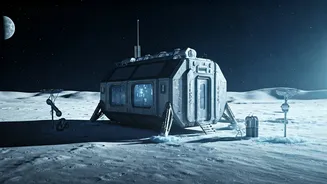
presence of water ice. The agency plans to utilize a coordinated fleet of specialized drones, dubbed 'MoonFall' drones, to conduct detailed scouting operations. These autonomous vehicles are designed to navigate the harsh lunar environment, including areas of perpetual shadow and rugged landscapes, gathering crucial data. The primary objective is to map potential landing sites, identify resources, and assess the feasibility of establishing a sustained human presence. This proactive approach emphasizes a belief within NASA that such a complex mission is achievable, signaling a forward-thinking commitment to lunar exploration and scientific discovery.
Advanced Drone Technology
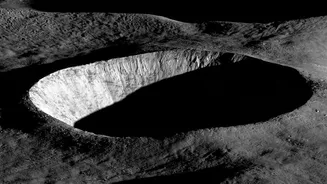
The proposed 'MoonFall' drone fleet represents a significant advancement in robotic lunar exploration. These drones are envisioned to be highly capable, designed to operate autonomously and collaboratively across the south polar region. Their mission scope includes detailed surface mapping, spectral analysis to identify mineral compositions, and thermal imaging to understand the extreme temperature variations. The drones will likely possess robust navigation systems to contend with the challenging topography and lack of direct sunlight in some areas. This technological leap is essential for characterizing scientifically valuable locations, such as permanently shadowed craters, which are thought to harbor water ice. The successful deployment and operation of these drones will provide invaluable insights, informing the design of future landers and habitats for the Artemis program and beyond.
Strategic Mission Objectives
The strategic importance of scouting the lunar south pole cannot be overstated, and the MoonFall drone initiative is central to achieving NASA's long-term lunar objectives. This mission is not merely about scientific curiosity; it is about enabling sustainable lunar operations. By thoroughly scouting the region, NASA aims to identify safe landing zones, assess the accessibility of potential resources like water ice (which could be used for life support and rocket propellant), and understand the environmental conditions that future astronauts will face. This detailed reconnaissance will significantly reduce the risks associated with crewed missions, allowing for more informed decision-making and efficient resource allocation. The confidence expressed by NASA in achieving this goal underscores the careful planning and technological development underpinning this bold endeavor to unlock the potential of the Moon's southern frontier.