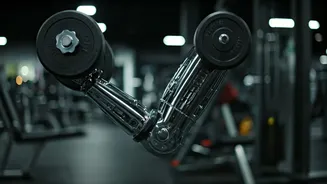







AI Workout Architects
AI-driven workout plans are designed by algorithms that analyze data. These algorithms consider variables like your fitness level, goals, and available
equipment. Based on this information, the AI formulates a workout routine. This process often involves machine learning, where the AI continuously refines the plan based on the user's progress and feedback. The goal is to provide a tailored experience that adapts as you improve. However, the quality of these plans depends heavily on the data used to train the AI and the sophistication of the algorithm. Factors like the breadth and accuracy of the data input, the depth of personalization options, and the inclusion of expert oversight all influence the plan's effectiveness. Users should be aware that AI-generated workout plans are still in their early stages and may not always provide the nuanced guidance of a human trainer.
Creating the Programs
The creation of AI workout programs usually begins with gathering extensive fitness data. This data includes information on various exercises, training techniques, and the physiological responses of different individuals. Program developers feed this data into the AI, which learns to identify patterns and correlations between workouts, progress, and outcomes. The AI uses this understanding to build personalized workout routines. Some programs incorporate sensors and wearables to monitor real-time data like heart rate and movement, which allows for dynamic adjustments to the workout. Developers also consider user feedback, allowing the AI to refine the plans. The algorithms used can range from basic rule-based systems to complex neural networks that simulate human decision-making. The user experience is crucial; a well-designed program will provide clear instructions, visualizations, and feedback to help users understand and follow their workout plan effectively.
Effectiveness of AI
The effectiveness of AI-designed workouts is variable. In some instances, they provide well-structured, progressive training programs. AI excels at analyzing large datasets and identifying patterns that human trainers might overlook. These can result in more targeted and efficient workouts. However, AI cannot replace a human's ability to assess subtle movement issues, provide motivation, and adapt to unforeseen circumstances. Limitations include the lack of personalized instruction and the potential for the AI to misinterpret user feedback. The success of AI-driven programs depends on the user's commitment to following the plan consistently and providing accurate feedback. Users must be realistic about the capabilities of the AI and recognize that it's a tool to guide their fitness journey, not a magic bullet. For advanced fitness goals or if you experience injuries, consulting with a human trainer is still recommended to ensure safety and effectiveness.
Things To Consider
Before trusting an AI to design your workout, you should think through several important points. First, consider the program's data sources and methodology: does it use a range of credible information, and how does it account for individual differences? Research and understand how the AI plans to address your specific needs and fitness goals. Secondly, evaluate the level of personalization offered. Does it adjust workouts based on your performance, and can it adapt to any medical conditions or limitations you may have? Thirdly, consider the user interface and support. Is the program easy to use, and does it provide clear instructions and feedback? Ensure you have the equipment and time required to commit to the workout plan. Ultimately, assess the AI's capabilities against your fitness objectives. For example, if you require specialized training or have complex needs, a combination of AI and human expertise may be the most effective approach.