




The Soaking Ritual
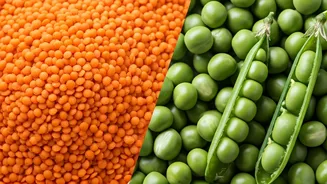
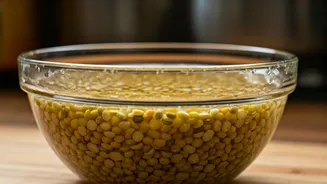
Soaking dal is a well-established practice with significant benefits. It helps to break down complex carbohydrates, making the dal easier to digest and
reducing the likelihood of bloating or gas. This also neutralizes phytic acid, an antinutrient present in pulses, which can hinder the absorption of essential minerals. By soaking dal, you essentially pre-digest it, making the nutrients more available to your body and enhancing its overall nutritional value. It's an easy step that elevates the entire cooking experience.
Digestibility Enhancement
One of the most crucial benefits of soaking dal is improved digestibility. Legumes contain complex sugars, like raffinose, which the human body struggles to break down efficiently. This undigested sugar can ferment in the gut, causing gas and discomfort. Soaking allows enzymes to start breaking down these sugars, reducing the production of gas and making dal gentler on the digestive system. Additionally, soaking softens the dal, shortening cooking times and minimizing the need for prolonged heat exposure, which can further preserve nutrients.
Foam: Friend or Foe?
During the cooking process, a foamy substance often forms on top of the dal. This foam is primarily composed of proteins and starches that are released from the dal as it cooks. It's a natural byproduct and not necessarily an indicator of anything harmful. In many cases, this foam can be skimmed off during cooking to improve the appearance and sometimes the texture of the dal, though it's not essential for safety or nutrition. The foam is not a sign of spoilage, nor does it contain any dangerous compounds, so there's no need for undue concern.
Pressure Cooking Advantage
Pressure cooking offers a quick and effective way to cook dal, building on the benefits of soaking. The high heat and pressure shorten cooking times, which helps preserve the dal's nutrients. Moreover, pressure cooking efficiently breaks down complex carbohydrates, making the dal even more digestible than other cooking methods. However, it’s worth noting that pressure cooking doesn't eliminate the need for soaking entirely, though the results are still positive even without prior soaking. The outcome is often a creamier, more tender dal, ideal for a variety of dishes.
FODMAPs and Dal
FODMAPs are fermentable oligosaccharides, disaccharides, monosaccharides, and polyols, which are types of carbohydrates that can cause digestive distress in some individuals. While some pulses are high in FODMAPs, the soaking process can help reduce their concentration. For those sensitive to FODMAPs, soaking dal for a longer duration, and then discarding the soaking water, can make the dish more tolerable. This will not completely eliminate the FODMAPs but will reduce the overall impact, allowing individuals with sensitivities to potentially enjoy dal without the usual discomfort.