







The Rising Tide of Kidney Illness
India is witnessing a significant increase in kidney disease, with estimates suggesting that between 11% and 17% of its adult population may be affected
by Chronic Kidney Disease (CKD). This alarming trend is largely fueled by an aging population, the widespread prevalence of diabetes and hypertension, alongside contributions from tropical infections and exposure to environmental toxins. Consequently, CKD has escalated into a major non-communicable disease, impacting millions and placing immense pressure on the nation's healthcare infrastructure. Recognizing the gravity of this situation, healthcare providers are central to public health efforts. They are instrumental in educating individuals about the early signs, risk factors, and, most importantly, the preventive strategies for CKD. This proactive approach involves identifying and closely monitoring those at higher risk, such as individuals with pre-existing diabetes or hypertension, or those with a family history of kidney ailments. Beyond medical treatments, holistic care encompassing lifestyle modifications and emotional support is paramount. Rigorous management of medications to control underlying conditions and continuous monitoring of kidney function are essential to slow down disease progression and prevent it from reaching advanced stages.
Our Planet, Our Kidneys
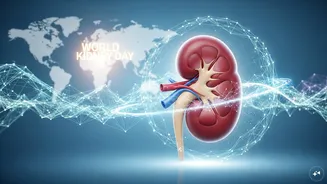
This year's World Kidney Day underscores a critical message: our kidney health is inextricably linked to the health of our environment. Global shifts like climate change, escalating temperatures, dwindling water resources, and pervasive pollution pose indirect threats to kidney function. These environmental stressors can heighten the risk of dehydration and increase exposure to hazardous substances that can harm our kidneys. Therefore, safeguarding our natural resources, ensuring universal access to clean drinking water, and advocating for sustainable agricultural and environmental practices are not just about protecting the planet, but also about promoting human health. The World Kidney Day 2026 theme, 'Kidney Health for All: Caring for People, Protecting the Planet,' powerfully articulates this interconnectedness, urging for unified public health strategies and robust environmental policies to foster collective well-being. Ultimately, fostering awareness, enabling early detection, and implementing preventative measures are key to addressing the global burden of kidney disease and ensuring equitable access to care for everyone.
Community Efforts in Goa
In a commendable stride towards enhancing public health, the Goa government has implemented robust initiatives to provide free and accessible medical treatment for kidney patients. The nephrology department at the Goa Medical College (GMC) stands as a beacon of support, offering essential medications and round-the-clock dialysis services without any cost to patients suffering from kidney diseases. Furthermore, the state actively facilitates kidney transplantation procedures, including those from deceased donors and living related donors, entirely free of charge, managed by the departments of nephrology and urology. Complementing these medical services, extensive awareness programs are consistently conducted across various health centers throughout Goa, aiming to educate the populace about kidney health. This integrated approach, combining advanced medical care with community outreach, exemplifies a proactive strategy to combat kidney disease and improve the quality of life for affected individuals.