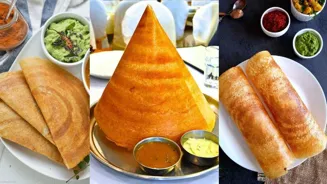




What is Dosa?
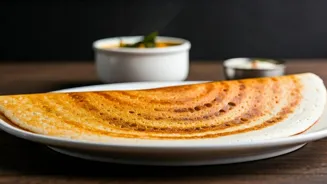
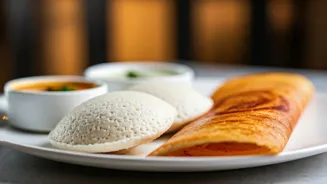
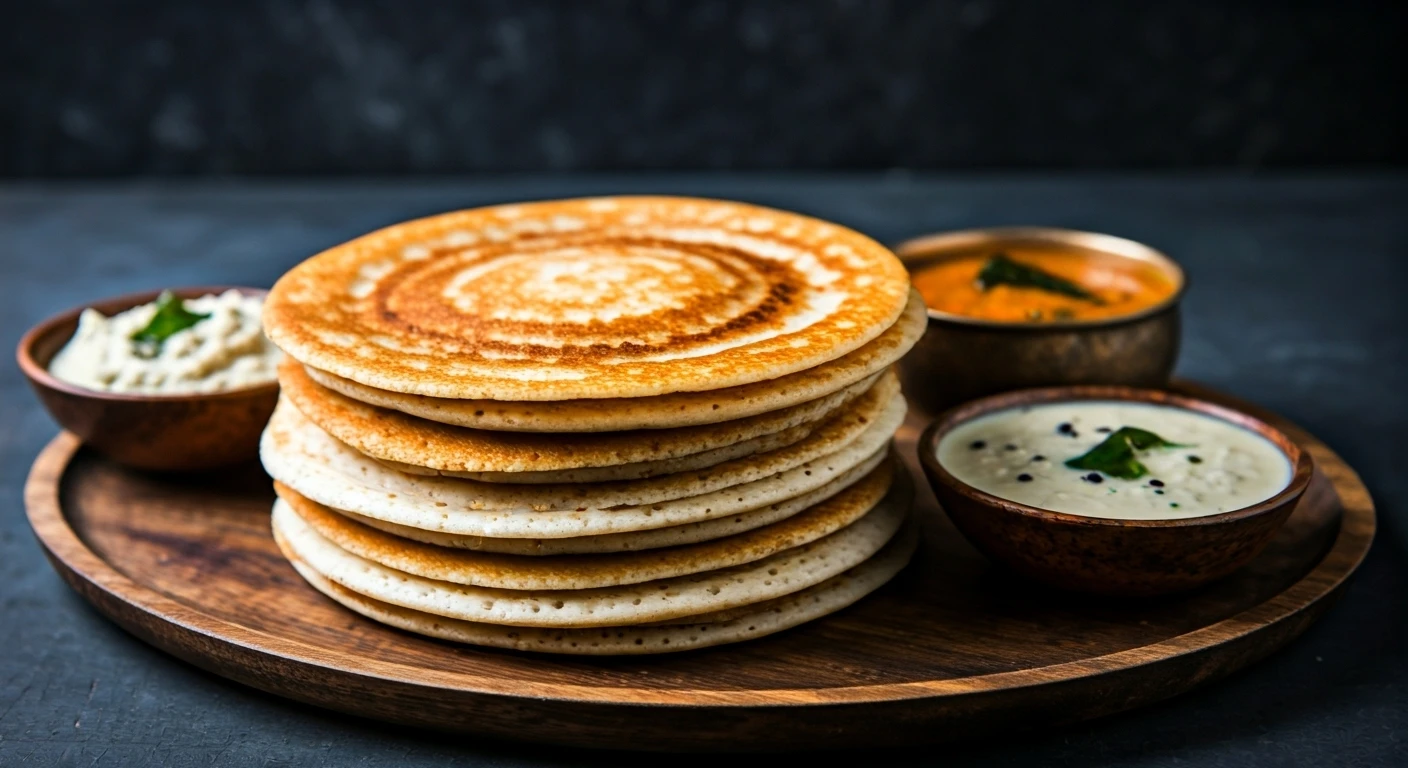
Dosa, also known as Dosai in Tamil, is a celebrated and widely enjoyed South Indian breakfast and snack, not only in India but also across the globe. Essentially,
dosas are thin, crispy or soft crepes crafted from a fermented batter made with ground lentils and rice. The key to a fantastic dosa lies in this well-fermented batter. When fermented correctly, it will expand in volume, exude a pleasant, fermented aroma, and possess a slightly sour taste, which are all indications of a great batter. The texture and crispiness of the dosa are significantly influenced by the proportions of rice and lentils used, allowing you to customize it to your preference, whether you desire a soft, thick dosa or a delightfully thin and crispy one.
Grinding the Batter
Making dosa batter at home can be managed with a wet grinder, a blender, or a mixer-grinder. Both methods work well. For larger quantities, a table-top wet grinder is highly recommended. For medium to small amounts, a mixie or mixer-grinder works perfectly. The Preethi mixer-grinder, for instance, consistently delivers excellent results without overheating the batter. A Vitamix is also great for preparing batter quickly. If you opt for a table-top wet grinder, you'll need to adjust the ingredient quantities. When using a wet grinder, add extra water during the grinding process. The urad dal batter, when ground in a wet stone grinder, becomes light and fluffy, like whipped cream. When using a wet grinder, add 1.5 cups of water for every ½ cup of urad dal. For 2 cups of rice, add 2.5 cups of water.
Ingredients Overview
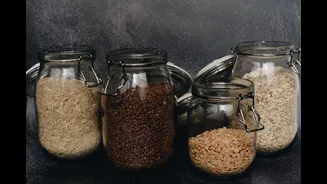
Dosa is a traditional South Indian breakfast dish made from fermented rice and urad dal (black gram) batter. A basic dosa recipe needs only rice, urad dal, and salt. The proportions can be adjusted to affect the texture. Additional ingredients like flattened rice (poha), and different types of lentils can alter the texture of the dosa. The color can vary from opaque white to pale golden, reddish, or golden. Parboiled rice is rice that has been partially cooked in its husks. Idli rice is a type of parboiled rice specifically for idli or dosa. Soaking the lentils and rice is the initial step in preparing the batter; this soaking process should take 4 to 5 hours. After this, the rice and lentils are ground separately to achieve a fine consistency. Then both the lentil and rice batter are combined with salt in a large bowl or pan. This batter should be fermented for 8 to 9 hours or overnight.
Fermentation Insights
Fermentation is crucial for the perfect dosa. The Instant Pot is extremely useful in cooler climates or seasons. If you're using an Instant Pot, place the batter in a bowl, then set it inside the steel insert, with the lid on. Press the yogurt button and select the low mode. Avoid the normal mode, as it will cook the batter slowly. Set the timer for 8 to 12 hours. The fermentation time varies based on the climate, season, temperature, and altitude. In warmer seasons, the batter ferments in the Instant Pot in about 7 to 8 hours. In winter, it takes 10 to 12 hours. The batter, after fermentation, should expand in volume and have a pleasant fermented aroma and a slightly sour taste.
Urad Dal Details
Urad dal, the key lentil for dosa batter, is also known as Black Gram and other names include Black Matpe Bean, Mungo Bean, and _Vigna Mungo_ (botanical name). Urad dal is available whole or split, both variations working fine. Adding a few tablespoons of chana dal (husked bengal gram) will make a crisper dosa. Additionally, some recipes include both chana dal and tur dal (pigeon pea lentils). You can also incorporate approximately ¼ cup of moong lentils into the batter. While urad dal constitutes the majority of the lentil content, consider adding 2 to 3 tablespoons of various lentils like chana dal, tur dal, moong dal, or masoor dal (red lentils) for a mix of proteins.