




Crafting the Ideal Dough
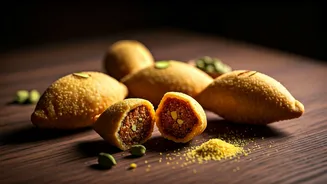
The foundation of a delightfully crisp gujiya lies in its dough. Begin by combining all-purpose flour, or 'maida', with a generous amount of ghee, aiming
for a texture that resembles breadcrumbs when rubbed between your fingers. This crucial step ensures a flaky, airy crust. Gradually incorporate water, kneading to achieve a firm, stiff dough – quite unlike the soft consistency needed for chapatis. A robust dough prevents the formation of unwanted air pockets and is instrumental in maintaining that desirable crispness. Once kneaded, cover the dough with a damp cloth and allow it to rest for approximately 20 to 30 minutes to develop its texture.
Mindful Filling Amounts
A common pitfall that leads to gujiyas breaking apart during the frying process is overfilling. To avoid this, be judicious with the amount of filling you place in the centre of each dough circle. A tablespoon to a tablespoon and a half is typically sufficient. It's vital to leave ample space around the edges of the dough. If the sweet filling encroaches upon the sealing area, it significantly compromises your ability to achieve a secure closure, making it highly probable that the gujiya will burst open once submerged in hot oil.
Ensuring Secure Seals
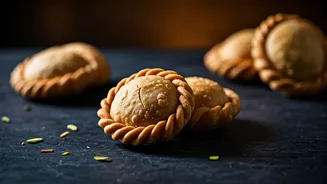
Properly sealing the gujiya edges is paramount for preventing any unfortunate breaches during frying. After placing the filling, delicately moisten the edges with a small amount of water or a paste made from flour and water. Press the edges firmly together, ensuring that you expel any trapped air pockets before completing the seal. For a neat and professional appearance, you can either crimp the edges by hand or utilize a gujiya mould. The key is to guarantee there are no tiny gaps or cracks, as even the slightest opening can allow the luscious filling to escape into the hot oil.
Regulating Frying Temperature
Resist the temptation to fry your gujiyas on high heat. Achieving the perfect golden hue and a thoroughly cooked interior requires patience and a controlled temperature. First, heat your oil or ghee to a medium temperature, and then reduce it to medium-low just before you introduce the gujiyas. This gentle frying method allows the sweet to cook evenly, developing a uniform golden-brown colour without burning the exterior while the inside remains undercooked. High heat will quickly brown the surface, but the inside will remain soft and uncooked, compromising the desired texture.
Battling Filling Moisture
The presence of excess moisture within the gujiya filling is a significant contributor to a soft outer shell and increased risk of breakage. To combat this, ensure that ingredients like khoya and semolina are thoroughly roasted until dry and that any added sugar has fully dissolved. Critically, allow the entire filling mixture to cool down completely before you begin stuffing the gujiyas. Avoid incorporating any wet ingredients whatsoever. A dry, well-prepared filling is essential for maintaining the gujiyas' crispness and extending their shelf life.
Cooling and Proper Storage
Once your perfectly fried gujiyas emerge from the oil, place them on paper towels. This allows any excess oil to be absorbed, contributing to a crispier finish. It is imperative to let the gujiyas cool down completely to room temperature before you attempt to store them. Avoid sealing the container while they are still warm; the trapped steam will inevitably lead to a loss of crispness. For optimal results, store your cooled gujiyas in an airtight container, which will help preserve their delightful crunchiness for several days.