




The Warrior's Diet
Long before modern nutritional science and supplements, ancient Indian warriors drew their strength from a diet meticulously designed for endurance and resilience.
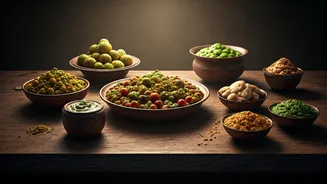
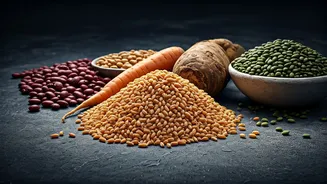
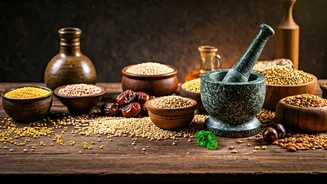
This culinary tradition, rooted in the understanding of how food impacts physical and mental prowess, utilized readily available, nutrient-dense ingredients. Grains, dairy, nuts, seeds, and aromatic spices were the building blocks of meals that sustained soldiers through arduous training, long marches, and intense combat. These foods were not just about filling the stomach; they were strategic tools for cultivating robust health, sharp minds, and unwavering stamina, forming the bedrock of a warrior's effectiveness on and off the battlefield. Many of these time-honored dishes continue to grace traditional Indian kitchens, though their potent legacy as 'warrior fuel' is often overlooked in contemporary times.
Bajra Roti with Ghee
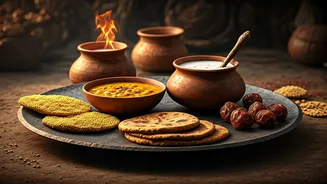
In the arid regions of Rajasthan, where hardy warrior clans like the Rajputs thrived, pearl millet, or bajra, was a dietary cornerstone. Thick, satisfying bajra rotis, generously smeared with ghee, were a daily staple, preparing warriors for physically demanding days. Bajra is a nutritional powerhouse, rich in complex carbohydrates essential for sustained energy, iron for stamina, and a good amount of protein. When combined with ghee, a clarified butter that is a concentrated source of healthy fats, this simple dish offered both enduring energy and vital nutrients for muscle repair and recovery. Moreover, bajra's ability to flourish in harsh desert climates made it a practical and reliable crop, ensuring consistent nourishment for communities facing challenging environmental conditions. The nutritional density of bajra meant that even this seemingly simple meal could provide the stamina needed for prolonged physical exertion, keeping warriors energized for hours.
Khichdi: The Comforting Fuel
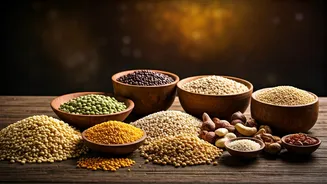
Far from its modern perception as a simple comfort food, khichdi historically served a crucial role in sustaining warriors and travelers. This wholesome dish, created by simmering rice and lentils together with mild spices, offered a perfectly balanced intake of carbohydrates and proteins. Khichdi was easily digestible, ensuring the body could efficiently absorb its nutrients without strain, while its comforting flavors helped maintain energy levels. For soldiers on long campaigns or undertaking extensive journeys, this meal provided consistent nourishment, crucial for prolonged physical activity. The addition of ghee, later incorporated to enhance both texture and calorie content, transformed khichdi into an even more effective and simple dish for maintaining physical strength and recovery during demanding times.
Sattu: The Traveler's Ally
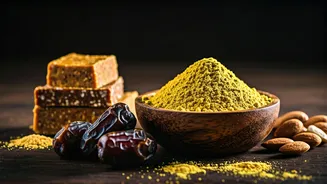
Across the scorching plains of northern India, where warriors and travelers required sustenance that was both portable and potent, sattu emerged as the ideal solution. Crafted from roasted gram flour, sattu could be quickly transformed into a filling drink or dough by mixing it with water, salt, jaggery, or spices, providing an immediate energy boost. Its primary advantage lay in its incredible convenience; the roasted flour needed no extensive preparation and could be readied in moments, making it perfect for journeys. A small amount of sattu could sustain an individual for hours, offering a practical and dependable source of nourishment. Rich in protein, fiber, iron, and magnesium, roasted gram provides slow-releasing energy that effectively combats fatigue, making sattu a favored provision for soldiers on long marches and a natural energy enhancer for laborers enduring intense physical work, also helping to keep the body cool.
Badam Milk: The Vitality Drink
In the opulent royal courts, strength was often cultivated not just through physical discipline but also via meticulously prepared tonics, with badam milk being a prime example. This beverage, a harmonious blend of milk infused with almonds, saffron, and warming spices, was revered for its vitality-boosting properties. Almonds contribute a wealth of healthy fats, protein, and Vitamin E, while milk provides essential calcium and additional protein, forming a potent combination that bolsters muscle strength and overall endurance. The inclusion of warming spices not only enhanced digestion and circulation but also added a delightful flavor. Valued for the slow, sustained energy it delivered, a warm glass of badam milk was often consumed in the morning or before rest, allowing the body to gradually absorb its rich nutrients, offering both comfort and restoration. Soaked almonds were typically preferred for easier digestion and more effective release of their natural oils and nutrients when ground into a paste.
Gond ke Laddoo: Strength Bites
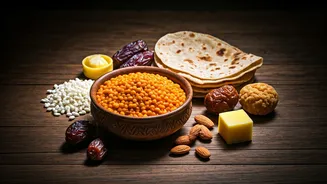
Within traditional Indian households, edible gum, known as gond, has long been incorporated into sweets designed to build strength, with gond ke laddoo being particularly favored by warriors and wrestlers. These dense, energy-packed spheres combine gond with wheat flour, nuts, seeds, and a generous amount of ghee. The preparation itself is a testament to generations of passed-down nutritional wisdom; ingredients are carefully roasted to coax out their natural oils and aromas, creating a substantial mixture intended to provide sustained energy for prolonged physical exertion. Often consumed during winter or post-training, these laddoos offered warmth, stamina, and crucial recovery support. When roasted, gond puffs up and becomes crisp, adding both flavor and nutritional density. The combination of ingredients renders these laddoos rich in healthy fats, protein, and minerals, making them exceptionally beneficial for muscle rebuilding and maintaining joint strength after strenuous physical activities.