
Thepla's Weight-Loss Edge
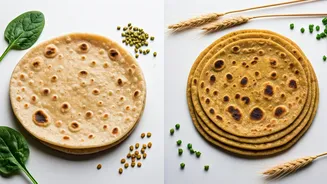
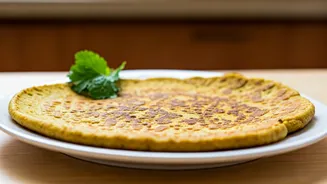
Thepla often emerges as a lighter choice for those focused on shedding pounds. A single, plain thepla typically contains around 120 calories, positioning
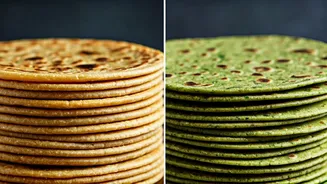
it as a more calorie-conscious option compared to many paratha variations. Its foundation in whole wheat flour provides slow-digesting complex carbohydrates, which are crucial for sustained energy release and effective hunger management throughout the morning. When fenugreek leaves (methi) are incorporated, thepla gains valuable fiber, significantly aiding digestion and contributing to better appetite control. Furthermore, the cooking method for thepla generally requires minimal oil, a key factor in keeping calorie intake low. Its ability to remain soft for extended periods also makes it an excellent travel-friendly option, promoting easier portion control with its predictable serving size.
Paratha's Balanced Potential
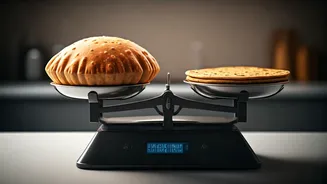
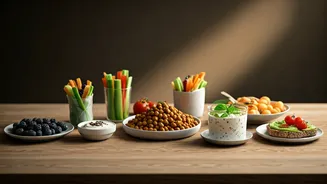
Parathas, while often perceived as heavier, offer substantial nutritional benefits when prepared thoughtfully. A basic paratha can range from 70-80 calories, though this figure escalates rapidly with rich fillings like potato or cheese and generous use of oil or ghee. When made from whole wheat or multigrain flour, parathas serve as a robust source of complex carbohydrates, promoting prolonged feelings of fullness and helping to curb unnecessary snacking. Their potential for enhanced protein content arises from wholesome additions such as paneer, moong dal, or peas, which contribute to greater satiety and can reduce cravings. Minor adjustments, like opting for less oil, using alternative flours, and incorporating vegetable or lentil fillings, can transform a standard paratha into a remarkably balanced meal. The versatility of parathas allows for a wide array of nutritious fillings, and pairing them with yogurt or a side salad further enhances their health profile.
Healthier Preparation Tips
Optimizing both thepla and paratha for a health-conscious diet hinges on mindful preparation. To maintain the softness of thepla without adding extra oil, consider rinsing the dough lightly during kneading and letting it rest for about 10-15 minutes. Incorporating ingredients like methi or doodhi can naturally improve its texture. For parathas, allowing the dough to rest for approximately 30 minutes is crucial for proper gluten development, preventing tearing during rolling and cooking. Ensure the griddle (tawa) is well-heated before cooking, enabling the dough to cook quickly without sticking, thereby minimizing the need for oil. Employing a silicone brush to lightly coat the paratha with oil or ghee after it has browned slightly is a more controlled method than pouring directly onto the pan. For both dishes, a well-heated tawa is your best ally in reducing oil usage by facilitating a quicker, non-stick cooking process.
The Verdict for Weight Loss
When scrutinizing thepla versus paratha for a weight-loss regimen, thepla generally holds an advantage due to its inherent lower calorie count and reduced oil requirements. It's often the gentler option for digestion, making it ideal for lighter mornings. However, paratha is far from being off-limits. By choosing whole wheat or multigrain flour, using minimal oil, and selecting nutrient-dense fillings, parathas can become a highly balanced and satisfying meal. Their greater filling capacity can be beneficial on days requiring more sustained energy. Ultimately, both thepla and paratha can successfully integrate into a healthy eating plan, provided they are prepared with awareness of cooking methods, ingredient choices, and careful attention to portion sizes.