



Why Turmeric Soaps?
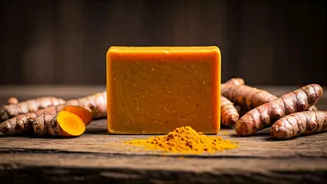
Turmeric soap has garnered significant attention in the skincare market. The surge in its popularity is partly due to the growing awareness of natural
and Ayurvedic ingredients in beauty products. Turmeric, a spice known for its vibrant yellow color and use in Indian cuisine and traditional medicine, has become a star ingredient. The spice has been lauded for its antioxidant and anti-inflammatory qualities. Many consumers now prefer products with natural components, contributing to the soap’s increased popularity. These consumers are seeking gentler, more holistic skincare options. The appeal extends beyond the ingredient list. The vibrant hue of turmeric soap, combined with its association with health and wellness, contributes to its marketability. The trend reflects a broader shift towards mindful consumerism, where ingredient origin and potential benefits are highly valued.
Benefits of Turmeric
The main allure of turmeric soap lies in its potential skin benefits, derived from curcumin, the active compound in turmeric. Known for its anti-inflammatory properties, curcumin may help reduce redness and swelling associated with skin conditions. Moreover, turmeric is an antioxidant that combats free radicals, which can accelerate skin aging. Regular use of turmeric soap may lead to a brighter, more even skin tone. Many users report a reduction in hyperpigmentation and dark spots. The spice is also believed to have antibacterial and antiseptic qualities, making it a possible aid in treating acne and preventing breakouts. However, scientific evidence supporting these claims is ongoing. While anecdotal evidence is abundant, more research is needed to validate all purported benefits thoroughly. Despite the need for further scientific validation, the purported skin-brightening and anti-inflammatory properties are the driving forces behind the soap's increasing use.
Who Should Use?
Turmeric soap can be a beneficial choice for individuals seeking natural skincare solutions, especially those concerned about uneven skin tone, acne, or inflammation. People with sensitive skin may find the mild properties of turmeric gentle enough. It's often recommended for those wanting a natural alternative to harsh chemical treatments. Individuals looking to improve their skin's overall appearance and achieve a brighter complexion are often drawn to turmeric soap. Those with conditions like eczema or psoriasis may find some relief, given turmeric’s anti-inflammatory properties. However, it is essential to perform a patch test before regular use to ensure no adverse reactions. Anyone with known allergies to turmeric or related spices should avoid turmeric soap. For those with specific skin conditions, consulting a dermatologist is always recommended before incorporating a new product into their skincare routine.
Potential Drawbacks?
While turmeric soap offers several potential advantages, it's essential to be aware of possible drawbacks. The vibrant color of turmeric can occasionally leave a temporary yellow stain on the skin, especially if the soap is not rinsed thoroughly. The intensity of this staining can vary depending on the turmeric concentration in the soap. Some individuals may experience skin irritation or allergic reactions to turmeric. This is usually due to the presence of other ingredients in the soap formulation or individual sensitivities. Always perform a patch test before widespread use to monitor for any adverse effects. The effectiveness of turmeric soap can vary. Results can depend on the quality of the product, the concentration of turmeric, and individual skin types. Finally, not all turmeric soaps are created equal. Some products might contain additives that can irritate sensitive skin. Therefore, reading the ingredient list carefully and choosing reputable brands is crucial.