





Aam Panna's Tangy Coolness
When the scorching sun of North India makes its presence felt, Aam Panna emerges as a quintessential quencher. This vibrant drink is crafted from raw green
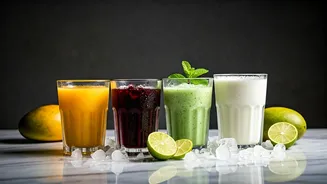
mangoes, celebrated for its potent Vitamin C content, which is believed to fortify the body against heatstroke. Its tangy profile is not just invigorating but also replenishes essential electrolytes lost through perspiration. The preparation often involves blending the cooked mango pulp with fresh mint, a touch of sweetness from sugar or jaggery, and the distinctive notes of roasted cumin and black salt, creating a delicious concentrate that can be stored for up to a week. Diluted with cold water and served over ice, Aam Panna offers a genuinely revitalizing experience, perfectly embodying the ingenuity of traditional Indian summer beverages.
Jaljeera's Spiced Zest
More than just 'cumin water', Jaljeera is a flavour-packed elixir popular across North India and Rajasthan. This invigorating drink masterfully blends the tanginess of tamarind with a symphony of spices, including roasted cumin, mint, and coriander, enhanced by black salt and chaat masala. It's renowned not only for its refreshing taste but also for its digestive properties, often enjoyed as a palate-cleansing appetizer before meals. Street vendors commonly dispense this zesty beverage from traditional clay pots, offering a swift antidote to the heat, often finished with a squeeze of lemon and a sprig of fresh mint, making it a delightful and functional summer companion.
Thandai's Creamy Delight
Thandai, a celebrated beverage from Rajasthan and Uttar Pradesh, is synonymous with festivities, particularly Holi, and holds deep cultural significance. Its name, meaning 'that which cools,' perfectly captures its essence as a deeply nourishing and cooling drink during warmer months. The preparation involves a rich paste of soaked nuts—almonds, cashews—and seeds like melon and poppy seeds, blended with aromatic spices such as fennel, black peppercorns, and green cardamom, along with saffron for colour and fragrance. This smooth paste is then strained and mixed with cold milk and sugar. Served chilled, often with dried rose petals, Thandai offers a luxurious and deeply satisfying cooling experience unlike any other.
Chaas: The Pan-Indian Buttermilk
Buttermilk, or Chaas, in its spiced masala form, is a universally cherished drink across India, savored from Gujarat to Tamil Nadu. This humble yet potent beverage is essentially churned curd diluted with water, transformed by a delightful mix of spices. Traditionally, it incorporates roasted cumin powder, grated fresh ginger, and often a hint of green chili, alongside curry leaves and a blend of salt and black salt. These ingredients are not only flavorful but are also recognized in Ayurveda for their digestive and cooling properties. A common way to enhance its taste is by tempering mustard seeds and curry leaves in a small amount of oil, which is then added to the chilled buttermilk just before serving, often garnished with fresh coriander. Its probiotic nature and hydrating qualities make it an ideal summer cooler.
Kokum Sherbet's Tart Charm
Hailing from the coastal regions of Maharashtra and Karnataka, Kokum Sherbet is an understated yet incredibly effective cooling beverage. Made from the deep-purple kokum fruit, it offers a distinctive tartness and a naturally beautiful pink hue. This sherbet is particularly effective in reducing internal body heat and aiding digestion, making it a perfect accompaniment to a hot afternoon. The preparation involves soaking dried kokum pieces to extract their flavour and colour, then mixing this concentrated liquid with sugar, roasted cumin powder, and salts. This base can be stored for several days. To serve, it's diluted with cold water, poured over ice, and can be garnished with fresh mint for an added touch of freshness.
Bel Sherbet's Fruity Notes
The wood apple, or Bel, a fruit known for its hard shell and fragrant, sticky pulp, finds a delightful expression in Bel Sherbet, particularly in Eastern India and Uttar Pradesh. This drink is deeply intertwined with cultural traditions, often offered during summer to Lord Shiva. The sherbet itself is cooling, subtly sweet, and profoundly satisfying, with a unique aroma that hints at tamarind and vanilla. Preparing it involves extracting the pulp from the bel fruit, then blending it with sweeteners like sugar or jaggery, roasted cumin powder, and a combination of regular and black salt to achieve a balanced flavour. Served chilled with ice, it's a remarkably refreshing and uniquely Indian way to beat the heat.
Sattu Sherbet's Sustaining Power
In Bihar and Eastern Uttar Pradesh, Sattu Sherbet stands out as a nourishing and cooling drink derived from roasted gram flour (chana). This humble ingredient is a powerhouse of protein and fiber, offering a sense of fullness and sustained energy. The sherbet itself possesses an earthy flavor profile, subtly salty, and is revered in Ayurvedic principles for its ability to reduce internal body heat. Its preparation is straightforward, involving mixing sattu flour with roasted cumin powder, black salt, regular salt, and a touch of lemon juice. A traditional addition of a teaspoon of mustard oil can lend a distinctive regional authenticity. Served cold, it's a wholesome and revitalizing beverage for the summer months, often garnished with fresh coriander.
Nannari Sherbet's Fragrant Appeal
In South India, particularly Tamil Nadu, Nannari Sherbet is a beloved summer cooler derived from the fragrant roots of the Indian sarsaparilla plant. The distinctive earthy sweetness of the nannari syrup is unique and widely available in local grocery stores. It is believed to possess blood-cooling properties and is traditionally used to address summer-related skin ailments and rashes. To prepare, the syrup is mixed with cold water, the juice of half a lime for a tangy counterpoint, and a pinch of black salt. Served over ice, this delightful drink can be enhanced with the addition of soaked sabja (basil) seeds, which swell into a gelatinous texture, adding an interesting textural element and further cooling benefits.
Nungu Sherbet's Subtle Sweetness
Nungu, the tender palm fruit also known as ice apple or tadgola, offers a uniquely subtle and refreshing experience during the Indian summer, especially in Tamil Nadu and Kerala. Its translucent, jelly-like flesh possesses a natural sweetness with a faint floral essence. When prepared as a sherbet, it results in a light, elegant, and profoundly cooling beverage that processed drinks cannot match. A common method involves blending a few segments of the nungu with a sweetener like sugar or rose syrup, lime juice, black salt, and a splash of water until smooth. This mixture is then poured over ice, with additional nungu segments added for texture. Soaked sabja seeds can be incorporated for an enhanced cooling effect and visual appeal, creating a truly delightful summer drink.
Solkadhi's Creamy Digestif
Solkadhi holds a special place in the culinary traditions of the Konkan Coast and Goa, functioning as both a refreshing digestive beverage and a palate cleanser, particularly accompanying seafood meals. This distinctive drink features a harmonious blend of coconut milk and the tart kokum fruit, resulting in a beautiful pale pink hue and a mild sour flavour. Its cooling effect is both immediate and satisfying. The preparation involves soaking dried kokum to extract its vibrant pink liquid, which is then combined with fresh or canned coconut milk, finely chopped green chili, minced garlic (optional), salt, and a touch of cold water to achieve the desired consistency. It is typically served chilled and is never blended, preserving its naturally smooth yet slightly thin texture, making it an ideal post-meal refresher.