






The Spot Reduction Fallacy
Many believe they can target fat loss in specific body areas, including the face. However, scientific evidence overwhelmingly refutes this idea. When your
body expends energy and begins to burn fat, it draws from your entire fat reserve rather than a localized area. The concept of 'spot reduction' is a biological myth; you cannot instruct your body to preferentially lose fat from your cheeks or jawline. Genuine and lasting facial fat reduction is intrinsically linked to lowering your overall body fat percentage. This means a comprehensive approach to weight management is necessary, as fat loss is a systemic process, not a localized one. Focusing solely on facial exercises or treatments will not yield the desired results if overall body fat remains high.
Face Yoga's True Impact
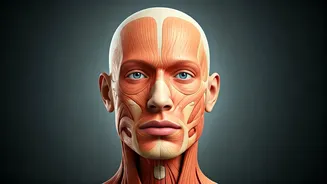
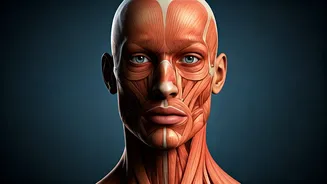
While popularized as a fat-loss method, facial exercises like 'face yoga' offer a different benefit. Research indicates that consistently performing these movements can lead to muscle strengthening in the face. This muscular development can provide a more toned and supported appearance, particularly for aging skin by restoring some structural volume. However, it's crucial to understand that this muscle building does not eliminate the layer of fat residing on top of these muscles. The perceived improvements from facial exercises stem from enhancing the underlying structure, not from vaporizing superficial fat. Therefore, while facial yoga might contribute to a more defined facial contour through muscle toning, it is not a direct method for reducing facial fat itself.
Holistic Fat Loss Strategies
Achieving a slimmer face necessitates addressing your entire body's fat content through fundamental lifestyle adjustments. The cornerstone of fat loss is a consistent caloric deficit, meaning you consume fewer calories than your body burns. This doesn't require extreme dieting; rather, a focus on nutrient-dense whole foods like lean proteins, vegetables, and complex carbohydrates, while significantly reducing processed foods and added sugars, is key. Complementing dietary changes with regular physical activity is equally vital. Cardiovascular exercises, such as running, cycling, or swimming, effectively increase overall energy expenditure. For those with time constraints, High-Intensity Interval Training (HIIT) offers a highly efficient method for burning fat through short, intense bursts of activity followed by brief recovery periods, proven to reduce overall body fat mass.
Understanding Water Retention
Often, what is mistaken for stubborn facial fat is actually temporary water retention, a common phenomenon that causes puffiness. Factors such as high-sodium intake from processed foods can lead the body to store excess fluid, which often accumulates in the face, particularly around the cheeks and under-eyes. To combat this, increasing water intake is surprisingly effective; proper hydration signals the body to release retained fluids. Additionally, evening habits play a significant role. Alcohol consumption, for instance, is dehydrating and inflammatory, directly contributing to facial swelling upon waking. Furthermore, insufficient sleep elevates cortisol levels, a stress hormone that can disrupt metabolism and exacerbate fluid retention, leading to a puffier appearance. Prioritizing hydration, mindful consumption, and adequate rest are simple yet powerful tools for managing facial puffiness.