
Defining the Directive
The DoT's SIM binding directive represents a significant regulatory move within India's telecom sector. It mandates that a SIM card be linked to a specific
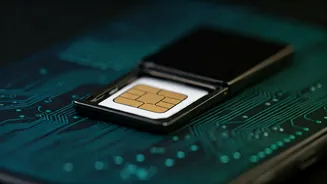
mobile device, essentially locking the SIM to that particular handset. This binding aims to curtail fraudulent activities and enhance security measures within the mobile ecosystem. The directive intends to reduce the instances of misuse by ensuring traceability of SIM card usage, thereby boosting the accountability of subscribers. The policy's primary focus lies on combating various types of cybercrimes, including financial fraud, where anonymous SIM cards are often exploited.
Privacy Concerns Arise
A major area of concern surrounding the SIM binding directive revolves around user privacy. Critics fear that linking SIM cards to devices creates an extensive digital trail, potentially allowing authorities to monitor user activities more easily. The aggregation of data could reveal patterns of communication, location data, and other sensitive information. These details, if improperly handled, could be misused or leaked, leading to significant privacy violations. The inherent risk is that the enhanced surveillance could be disproportionate, impacting the fundamental right to privacy. These apprehensions are amplified by the potential for governmental overreach, where the directive might be wielded to limit free speech or suppress dissent.
Regulatory Overreach Debated
Another prominent aspect of the controversy is the perceived regulatory overreach of the directive. Critics argue that the government is expanding its control over the telecom industry beyond what is necessary to maintain security and order. This expansion is thought to potentially stifle innovation and impose undue burdens on both telecom providers and consumers. The directive imposes a strict framework that may not adequately balance security needs with individual freedoms. The implications are far-reaching, potentially impacting small businesses and individual users, creating a cumbersome environment that might hinder competition and consumer choice.
Industry Impact Examined
The telecom industry itself is also facing challenges due to the SIM binding directive. Implementing such a widespread system requires substantial investment in infrastructure and technology by service providers. This includes setting up systems to manage and track SIM card-device pairings across millions of users. The costs associated with complying with the directive could ultimately be passed on to consumers. Furthermore, the directive may pose operational challenges, like the process of transferring SIM cards to new devices, potentially resulting in complexities and frustrations for customers. This has the potential to influence the operational capabilities of telecom companies and the overall customer experience.
Security Gains Evaluated
While concerns about privacy and regulatory overreach are valid, proponents of the SIM binding directive highlight its potential benefits for enhanced security. They argue the directive will deter various cybercrimes, especially those involving financial fraud and identity theft. By tracing SIM card usage, law enforcement can more effectively identify and apprehend perpetrators. The directive is seen as a means of reducing anonymous use of mobile phones, thus increasing accountability and encouraging responsible usage. The security enhancements are viewed as crucial in combating the growing threat of cybercrime in India, where digital fraud is on the rise, impacting both individuals and businesses.
Finding a Balance Needed
Ultimately, the effectiveness of the DoT's SIM binding directive will hinge on finding a balance between security needs, user privacy, and industry considerations. Policymakers must carefully weigh the advantages of enhanced security against the risks of privacy violations and regulatory overreach. Clear guidelines and robust oversight are essential to ensure the directive is implemented fairly and transparently. Public discourse and stakeholder engagement are critical in shaping the future of this policy. Ensuring that the measures do not unduly burden users or stifle innovation will be crucial for the directive’s long-term success, promoting a secure, and privacy-conscious digital environment.