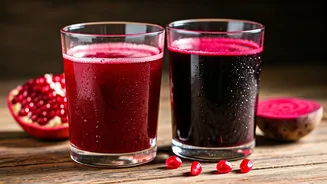

Pomegranate's Powerhouse Benefits
Pomegranate juice is a nutritional champion, brimming with antioxidants that combat cell damage and inflammation. These antioxidants, especially polyphenols,
contribute significantly to heart health. Scientific studies indicate that regularly consuming pomegranate juice can lead to decreased blood pressure and improved cholesterol levels. Furthermore, pomegranates offer a rich source of vitamins like C and K, and minerals like potassium, which play vital roles in overall health. The juice may also help in improving blood flow and reducing the risk of arterial blockages. Its high fiber content, while present in the fruit itself, is less significant in the juice form. Overall, pomegranate juice presents a compelling option for those looking to boost their cardiovascular health naturally. However, it's worth noting the sugar content, so moderation is key.
Beetroot's Blood Pressure Boost
Beetroot juice garners attention for its unique ability to lower blood pressure. The secret lies in nitrates, which the body converts into nitric oxide. Nitric oxide causes blood vessels to relax and widen, resulting in improved blood flow and reduced blood pressure. Research consistently shows that beetroot juice consumption can lead to noticeable reductions in both systolic and diastolic blood pressure. Moreover, beetroot is packed with vital nutrients like folate, manganese, and potassium. It also contains antioxidants that protect the body from damage caused by free radicals. This earthy-tasting juice is also a good source of fiber. This can help with digestion and promote satiety. When considering its health benefits, beetroot juice is an excellent ally for anyone aiming to manage hypertension. But remember, the intensity of flavor and potential for staining need consideration.
Nutritional Showdown: Comparison
Both pomegranate and beetroot juices are powerhouses of nutrition, but their composition varies considerably. Pomegranate juice excels in antioxidant concentration, with higher levels of polyphenols. This aids in reducing inflammation and protecting against heart disease. Beetroot juice, on the other hand, stands out due to its high nitrate content. This is essential for converting to nitric oxide, and consequently, lowering blood pressure. Both offer essential vitamins and minerals, albeit in varying proportions. Pomegranate delivers a decent amount of vitamin C, and Beetroot provides significant folate. Both juices have natural sugars, so mindful consumption is crucial. When comparing, personal preferences for taste and individual health needs should influence your choice. Someone focusing on blood pressure management might lean towards beetroot. If one values broad antioxidant benefits, pomegranate might be preferred.
Making the Right Choice
Deciding between pomegranate and beetroot juice depends on your health objectives and preferences. If managing high blood pressure is your priority, beetroot juice could be the better choice due to its proven nitrate content. If you're seeking potent antioxidants to combat inflammation and protect against oxidative stress, pomegranate juice might better suit your needs. Consider your taste preferences, too; beetroot has an earthy flavor that some find strong, while pomegranate offers a sweeter, more refreshing taste. Another aspect is the potential impact on your body. Both juices can cause minor side effects, such as urine discoloration with beetroot. It's often beneficial to rotate between the two. This can give you a wide range of nutrients. Always consult with a healthcare provider or a nutritionist for personalized advice, especially if you have pre-existing health conditions or take medication.