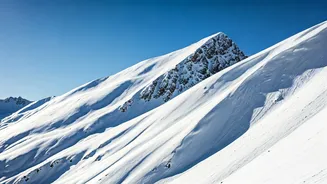

The Unexpected Winner
Contrary to the popular belief that countries like Canada, Norway, or Greenland experience the highest snowfall, the title belongs to a different nation
altogether. This surprising revelation shifts our understanding of snowfall patterns and challenges preconceived notions about where the snowiest places are located. It highlights the importance of looking beyond the obvious locations and considering the unique geographical and meteorological conditions that contribute to heavy snowfall. The answer to this query might trigger curiosity and prompt readers to rethink their established beliefs.
Latitude's Influence
The conventional wisdom would suggest that regions at high latitudes, such as those near the poles, would automatically receive the most snowfall. However, this assumption doesn't fully capture the complex interplay of factors involved. While latitude plays a role, it isn't the sole determinant. Other elements, like geographical features and the proximity to large bodies of water, significantly influence snowfall amounts. The position of a country on the globe contributes to the likelihood of receiving substantial snow, and it's essential to recognize that latitude alone does not tell the complete story when assessing a location's snowfall potential. Many other factors come into play, and it is crucial to analyze each of them individually.
Japan's Topography Explained
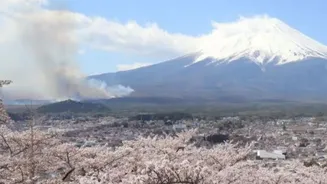
Japan's mountainous terrain is crucial in its ability to accumulate large volumes of snowfall. The presence of significant elevations acts as a natural barrier, forcing moisture-laden air masses to rise and cool. This process leads to the condensation of water vapor and the formation of snow. The mountains also play a role in channeling and intensifying weather systems, contributing to heavy snowfall events. The combination of high mountains and the influence of nearby seas provides a perfect setting for snow. This specific geography means that Japan's landscape is perfectly set for snow formation, especially on the west coast facing the Sea of Japan, which is where the heaviest snowfall is concentrated.
The Perfect Snowstorm's Ingredients
The genesis of heavy snowfall events involves a precise alignment of several meteorological conditions. These include the presence of moisture, usually derived from a body of water, and the availability of cold air that is needed to turn that moisture into snow. Additionally, a mechanism for lifting the air, like a mountain range or a weather front, is required to trigger snow formation. A confluence of a warm sea, such as the Sea of Japan, and cold air from Siberia creates the perfect setup for copious amounts of snowfall. The specific interaction of these elements determines the magnitude and intensity of snowstorms, making Japan the perfect candidate for intense snowfall.
Challenging Common Notions
There are widely held assumptions that link high-latitude countries with the most snowfall. However, this does not hold true when considering the intricate variables that drive snowfall. While proximity to the poles certainly affects climate, it doesn't represent the whole picture. Considering the specific geographical and meteorological environments is essential to predict snowfall. These factors include mountain presence, air currents, and the effects of nearby water bodies. This highlights the importance of analyzing the interplay of different climatic features, not relying on single factors. This intricate interplay makes the phenomenon more unique and provides a fuller picture of how and where snowfall occurs, offering a new perspective.
Warm Waters' Impact
The warm waters of the Sea of Japan are an important element in the extraordinary snowfall seen on Japan's western coast. These waters serve as a reservoir of moisture, which is then evaporated into the air. As cold air masses from Siberia move across this warm water, they pick up moisture. This moisture-rich air then rises and cools as it encounters the Japanese mountains. The combination of warm water and cold air provides the necessary conditions for heavy snow to fall. This process illustrates the vital role of the ocean in shaping regional climates and affecting weather patterns.
Cold Air from Siberia
Cold air emanating from Siberia is a key ingredient in the frequent and intense snowfall that Japan experiences. This cold air interacts with the warm, moisture-laden air from the Sea of Japan. As these air masses collide and mix, they create an unstable environment, ideal for snow development. The cold air provides the necessary low temperatures for water vapor to condense and freeze into snow crystals. Siberia, being a vast landmass with extremely cold temperatures during winter, is a crucial player in the region's snowfall patterns. The interaction between these cold Siberian air masses and warm, moist air over the Sea of Japan results in very heavy snowfall.