






Heatwave Hazards Ahead
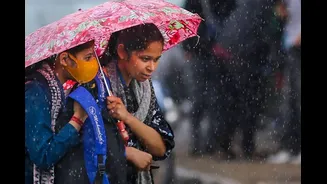
Millions of delivery personnel across India are at significant risk as scorching heatwaves push temperatures soaring above 40 degrees Celsius. These individuals,
often navigating busy city streets on two-wheelers, face severe threats including dehydration, heat exhaustion, and potentially life-threatening heatstroke. The demanding nature of their work, dictated by algorithmic delivery targets and tight schedules, frequently forces them to operate during the hottest parts of the day, often with inadequate access to safe drinking water or shaded rest areas. This vulnerability, amplified by the growing gig economy, has prompted a crucial reassessment of occupational safety and has spurred major e-commerce and quick-commerce platforms to implement a range of protective initiatives aimed at mitigating the harsh impact of the Indian summer on their delivery partners.
Cooling Infrastructure
Companies are establishing dedicated air-conditioned rest stops and enhancing existing facilities to provide immediate relief. These hubs offer essential amenities like comfortable seating, clean restrooms, and access to drinking water, serving as vital refuges for delivery personnel. Some networks are designed to be accessible to all delivery riders, not just those employed by a specific platform, fostering a collective approach to worker welfare. Beyond fixed locations, efforts are underway to create temporary shaded areas and improve ventilation at operational points, such as dark stores, to minimize exposure during waiting periods. Additionally, heat-reflective coatings are being applied to roofs to reduce internal temperatures, creating cooler environments for workers managing orders. These infrastructural improvements are fundamental in creating safer working conditions during extreme heat.
Specialised Gear & Health
Beyond physical infrastructure, innovative wearable solutions and comprehensive health support are being deployed. Delivery riders are being equipped with specialized cooling vests, some utilizing advanced evaporative cooling technology that significantly lowers body temperature when wet. This gear aims to provide direct, personal relief from the heat for extended periods. Subsidized sunscreen jackets and lightweight, breathable uniforms are also being distributed to offer protection against sun exposure. Furthermore, many platforms are providing 'summer kits' containing essential hydration aids like ORS, glucose sachets, and electrolyte powders. Recognizing the critical role of health awareness, training programs are being conducted to educate workers on identifying early signs of heat-related illnesses and the importance of staying hydrated. Medical check-ups and dedicated emergency support lines, including ambulance services, are also part of a broader commitment to worker health and safety.
Broadening Support Nets
The commitment to worker safety extends to inclusive health coverage and accessible medical consultations. Many delivery partners are now enrolled in comprehensive health insurance programs that cover outpatient, inpatient, and day-care treatments, providing financial security in case of heat-related illnesses. For immediate medical advice, several companies have introduced 'Doctor on Call' or 'Doctor@Store' services, offering free consultations for frontline employees and their families. This holistic approach ensures that workers have access to both preventative care and support during emergencies. By partnering with restaurant outlets and fuel stations, platforms are expanding the availability of rest points, creating a wider network of safe havens. This collaborative strategy, involving various stakeholders, underscores a commitment to building a more resilient and supportive ecosystem for the entire delivery workforce.