


The Ideal Dal Blend
The foundation of truly exceptional dahi vadas lies in the precise combination of lentils used for the batter. While urad dal is a common choice, incorporating
a portion of moong dal alongside it offers a significant advantage. This synergistic blend creates a batter that yields vadas with a noticeably lighter and softer crumb structure. Relying solely on one type of lentil can sometimes result in a denser texture, whereas the urad and moong dal marriage ensures a more delicate and pleasing consistency that truly distinguishes a great dahi vada.
The Crucial Float Test
Before you even think about frying, a simple yet critical step can guarantee your vadas will achieve ultimate fluffiness: the batter float test. Take a small spoonful of your prepared batter and gently drop it into a bowl of water. If the batter gracefully floats on the surface, it indicates that it has been adequately aerated and is primed for frying. This straightforward technique is your litmus test for the right consistency, assuring you that the air incorporated during grinding will expand during cooking, leading to those coveted soft and airy results.
Maintain Batter Thickness
When it comes to grinding your lentils into a batter, restraint with water is paramount. The goal is to achieve a thick, paste-like consistency, not a runny liquid. Use only the absolute minimum amount of water necessary to help the blender blades move and combine the lentils. A batter that is too thin will inevitably lead to flat, heavy vadas that lack the desirable airy interior. Conversely, a properly thick batter will hold its shape during frying, allowing for the development of a light and spongy texture from the inside out.
Optimal Frying Temperature
The temperature of your frying oil plays a pivotal role in the final outcome of your dahi vadas. It's essential to maintain a medium heat; the oil should neither be scorching hot nor lukewarm. If the oil is too hot, the exteriors of the vadas will brown rapidly while the insides remain undercooked and dense. On the other hand, oil that is too cool will cause the vadas to absorb an excessive amount of grease, making them heavy and unappetizing. Medium heat allows for even cooking, ensuring a perfectly crispy exterior and a tender, fluffy interior without becoming overly oily.
Whisking for Airiness
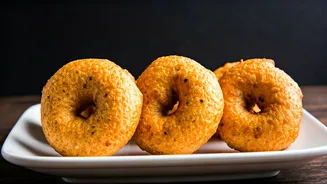
Incorporating air into your vada batter is perhaps the most crucial step in achieving that signature melt-in-your-mouth softness. After the initial grinding, dedicate time to vigorously whisking the batter. Continue beating it until it visibly lightens in color, becomes airy, and ideally, almost doubles in volume. This intensive whisking action is what introduces microscopic air bubbles throughout the mixture, which are the key to creating bhallas that are exceptionally soft, fluffy, and delightful to eat.
Soaking for Sponginess
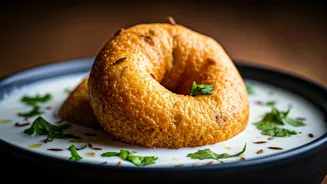
Once your dahi vadas have been perfectly fried to a golden hue, the soaking process is the final frontier to achieving ultimate tenderness. Submerge the fried vadas in warm water for approximately 15 to 20 minutes. This warm soak allows the vadas to rehydrate and soften beautifully. After the soaking period, gently press out the excess water. This crucial step not only makes the vadas incredibly soft and spongy but also prepares them to perfectly absorb the creamy yogurt, ensuring a harmonious blend of flavors and textures in every bite.