






Tech's Rapid Evolution
Technological advancements continue at an unprecedented pace, altering how people live, work, and interact with the world. From artificial intelligence
to biotechnology, the field's rapid expansion is creating new possibilities and challenges. The ability to embrace these changes is essential in today's digital era. Consider the advent of smartphones, which have transformed communication, information access, and entertainment, becoming indispensable tools for billions. Similarly, cloud computing has revolutionized data storage and accessibility, allowing businesses of all sizes to operate more efficiently. Even the medical field benefits immensely, with advancements in imaging and robotic surgery enabling precise diagnoses and improved patient outcomes.
AI's Transformative Power
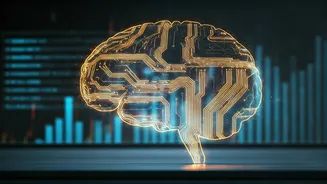
Artificial Intelligence is no longer a futuristic concept; it is now an integral component of numerous aspects of modern life. From virtual assistants that answer questions and fulfill tasks to complex algorithms that analyze vast quantities of data to identify patterns, AI's influence is extensive. AI also plays a crucial role in autonomous vehicles, aiming to transform transportation, and in medical diagnosis, enhancing precision and speed. Ethical considerations related to AI development, such as algorithmic bias and data privacy, have become increasingly important. Addressing these challenges is essential to ensure that AI is implemented responsibly and that its benefits are widely accessible.
Biotech's Medical Frontiers
Biotechnology stands at the forefront of medical advancements, using biological systems to create new therapies, diagnose diseases, and improve healthcare. Gene editing technologies like CRISPR have revolutionized the ability to alter DNA sequences, leading to groundbreaking discoveries in treating genetic disorders and developing more effective treatments. Furthermore, the development of personalized medicine, which tailors treatments to an individual's unique genetic makeup, promises to improve patient outcomes significantly. Advances in drug discovery, fueled by biotechnology, have led to the creation of novel vaccines and medications, contributing to improved public health and extending lifespans.
Impact on Daily Life
Technological innovations are significantly impacting everyday routines, from the way people communicate to the way they consume information and conduct business. The Internet of Things (IoT) has connected everyday objects, creating smart homes, cities, and workplaces. This connectivity improves efficiency and convenience while generating substantial amounts of data. Social media platforms have revolutionized communication, allowing individuals to connect with others worldwide. However, this has also raised concerns regarding privacy, misinformation, and the spread of echo chambers. Navigating these complexities necessitates digital literacy and critical thinking skills to ensure users are well-informed and resilient in this digital age.
Future Innovation Trends
Looking ahead, several technology trends are poised to shape the future. Quantum computing holds immense potential to solve complex problems far beyond the capabilities of current computers, with implications for fields such as drug discovery and financial modeling. The rise of augmented reality (AR) and virtual reality (VR) promises to transform entertainment, education, and professional training. Sustainability is another driving factor, with the growth of green technologies like renewable energy and eco-friendly materials. These trends suggest a future where technology is even more integrated into our lives, driving economic growth and societal advancements.