


The Open Plan Shift
For years, the open-plan living room dominated home design, celebrated for its airy feel and seamless entertaining potential. Homes built in recent decades
often feature this expansive layout, aiming for a bright and welcoming atmosphere. However, a noticeable trend has emerged, indicating a preference for more deliberate spatial organization. Instead of a single, vast area, homeowners are increasingly seeking distinct zones within their living spaces. This shift doesn't necessarily signal the end of openness but rather a redefinition of how it's achieved, balancing the desire for togetherness with the need for individual functionality and privacy. The focus is moving from expansive emptiness to thoughtfully curated areas that cater to various activities.
Reimagining Historic Spaces
Older homes, particularly those from the mid-20th century and earlier, often provide a natural framework for re-imagining layouts without resorting to complete open-plan conversions. Instead of demolishing walls, designers focus on adapting existing rooms to suit contemporary needs. For example, formal dining rooms might be repurposed into home offices or versatile multi-purpose areas. Additions to the home are strategically employed to enhance kitchen functionality or improve the flow between the living and other key areas. This approach emphasizes finding a harmonious balance that respects the home's original character while fulfilling the dynamic requirements of a modern family, prioritizing a layout that works best for its inhabitants rather than a generic open concept.
Subtle Zone Definition
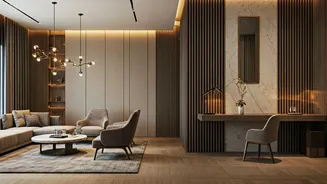
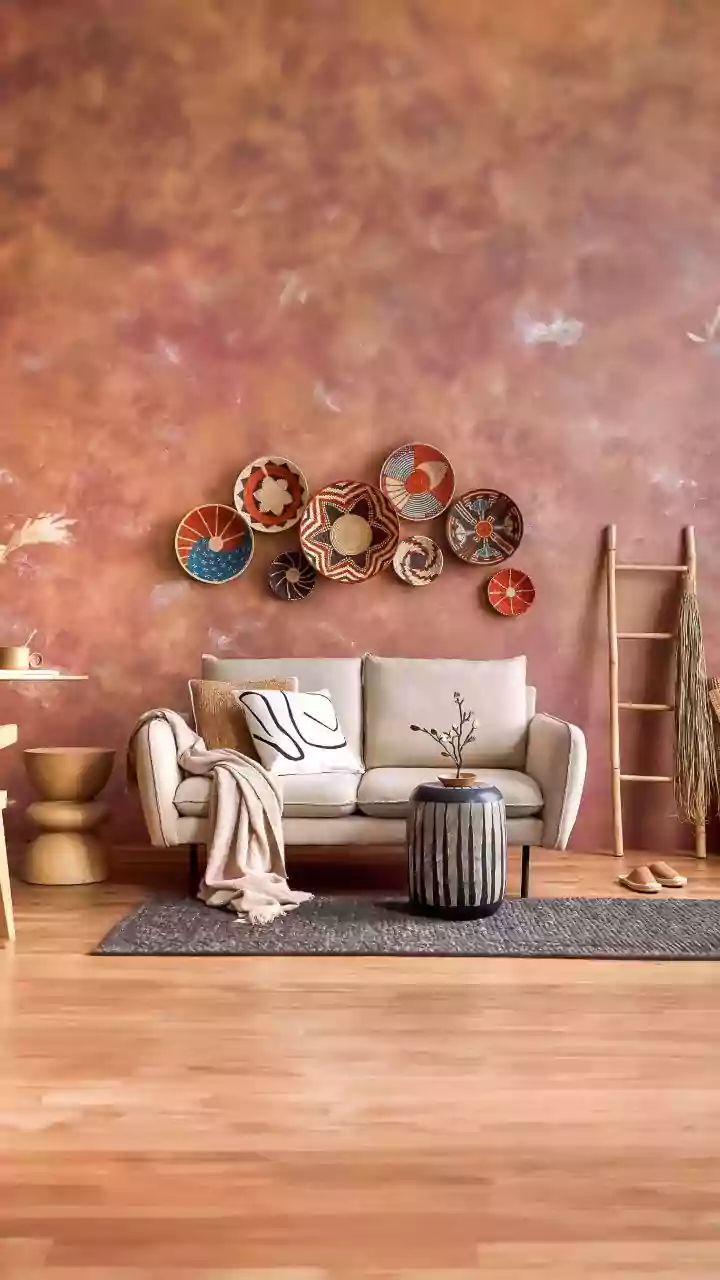
The move away from the ultra-open, high-ceilinged layouts popular since the 1990s is paving the way for more nuanced design strategies. Current trends focus on introducing subtle definitions within an open-plan framework. This is achieved through thoughtful elements like varied ceiling treatments, strategic furniture placement that creates visual boundaries, and the use of area rugs to delineate specific zones. The goal is to infuse warmth and purpose into the space without creating rigid separations. This approach skillfully balances the desire for an easy flow with the need for distinct areas, allowing each part of the living space to possess its own unique character and function while remaining visually connected.
Well-Defined Purposeful Zones
Modern living increasingly calls for spaces that offer both rhythm and adaptability, moving beyond a singular, multi-functional area. When the kitchen, living room, and a workspace are all integrated into one large expanse, it can be challenging to mentally transition between different activities. Consequently, many clients are seeking layouts that provide clear definition while still fostering a sense of connection. The most effective contemporary designs achieve this by integrating flow with structure, guiding movement naturally through the home while maintaining a cohesive feel between adjoining areas. This is often accomplished using architectural elements like built-in cabinetry, partial walls that create visual breaks without fully enclosing spaces, or even strategically placed shared amenities like beverage stations, which bridge functionality and foster a unified aesthetic.