





AC's Dry Air Effect
While air conditioners provide a welcome cool respite during sweltering nights, they often come with an unintended consequence: a significant reduction
in room humidity. As the AC unit circulates air, it also extracts moisture, leaving the environment progressively drier. For children, this can manifest as a scratchy throat, irritated nasal passages, or dry, uncomfortable eyes, even if the room temperature feels just right. This dryness can disrupt their sleep cycle, leading to frequent awakenings, restlessness, and a less refreshing start to the day. The continuous operation of an AC for several hours overnight can exacerbate this issue, making the air noticeably parched by morning. This phenomenon is particularly noticeable in younger children who may not be able to articulate their discomfort clearly, often expressing it through increased fussiness or seeking water multiple times during the night.
Soothing Airways Naturally
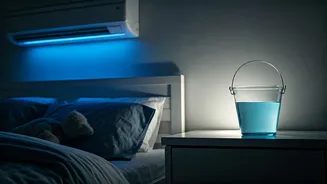
The simple act of placing an open bucket of water in a child's room can offer a gentle, natural way to counteract the arid conditions created by air conditioning. As the water slowly evaporates, it releases a subtle amount of moisture into the air, creating a more humid microclimate. This added humidity can help to soothe irritated nasal passages and throats, making breathing feel easier and more comfortable during sleep. This is especially beneficial for children who already struggle with mild congestion, allergies, or who tend to breathe through their mouths at night. By creating a gentler environment for their airways, the evaporation from the water can contribute to deeper, more uninterrupted sleep, allowing them to wake up feeling less groggy and more revitalized, rather than parched and uncomfortable.
Calming Skin and Eyes
Beyond respiratory discomfort, the arid atmosphere generated by air conditioners can also negatively impact a child's skin and eyes. Dry air can leave sensitive skin feeling tight, itchy, and prone to irritation, potentially exacerbating conditions like eczema. Similarly, eyes can feel gritty, tired, and uncomfortable, leading to frequent rubbing and further disturbance. Introducing a bit of extra ambient moisture through an evaporating bucket of water can create a softer, more benevolent atmosphere within the room. This subtle change can make the sleeping environment feel less harsh on delicate skin and eyes, contributing to a more peaceful and restorative sleep experience. When the air feels more balanced, children are less likely to toss and turn due to physical discomfort, promoting a greater sense of overall well-being.
A Low-Tech Sleep Aid
In an era filled with sophisticated gadgets, the enduring appeal of a bucket of water lies in its simplicity and accessibility. It functions as a practical, low-cost alternative to more complex humidifiers, requiring no electricity, no noisy operation, and no complicated settings or maintenance. For parents seeking unobtrusive ways to improve their child's sleep, this method is both time-tested and budget-friendly. It can serve as an effective backup during prolonged AC use, especially when the weather is particularly dry or the room begins to feel uncomfortably dehydrated. This traditional trick, passed down through generations, offers a tangible solution that is readily available to most households, proving that sometimes the most effective comfort solutions are the most straightforward ones.