




Embarking on a Historic Journey
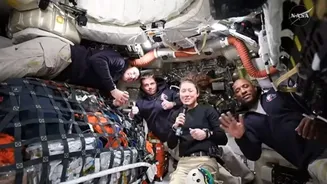
NASA's Artemis II mission is poised to etch its name in the annals of space exploration. Following a series of successful preparations, astronauts Reid
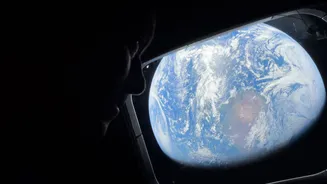
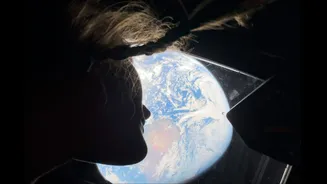
Wiseman, Christina Koch, Victor Glover, and Jeremy Hansen are on the cusp of a journey that will carry them further from our home planet than any human crew has ever ventured. This remarkable expedition offers the public a unique opportunity to follow along in real-time. NASA is providing comprehensive live coverage of the entire event through its various digital platforms, including its dedicated streaming service. The broadcast is slated to commence at 1 PM Eastern Time, ensuring that enthusiasts worldwide can tune in and be part of this celestial milestone. Given the extensive nature of the mission, those with busy schedules can focus on catching the most significant events, ensuring they don't miss the defining moments of this extraordinary voyage beyond Earth's immediate reach.
Key Moments to Capture
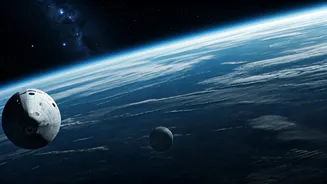
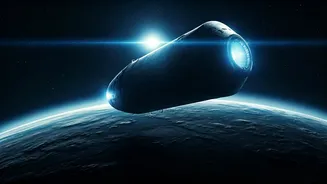
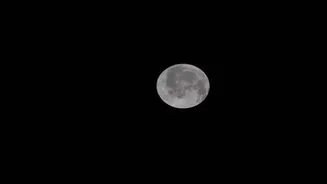
The Artemis II mission is packed with pivotal moments, and knowing the schedule can help you catch the most awe-inspiring sights. A particularly significant event is scheduled for approximately 1:56 PM ET, when the Artemis II mission will surpass the previous record for distance from Earth set by the Apollo 13 crew back in 1970. This achievement marks a new frontier for human spaceflight. Following this record-breaking distance, the sophisticated Orion spacecraft will initiate its flyby of the Moon. The most captivating part of this lunar encounter is anticipated around 7:02 PM ET, when the spacecraft will reach its closest proximity to the Moon's surface. Shortly thereafter, at roughly 7:07 PM ET, Orion will attain its furthest point from Earth during this mission, offering a spectacular perspective on our celestial neighborhood. These timings are crucial for anyone wanting to witness the mission's most visually stunning and scientifically significant phases.
Eclipse Beyond Earth
Prepare for an unparalleled astronomical spectacle as the Artemis II crew is set to witness a phenomenon that will remain hidden from Earth's surface. At approximately 8:35 PM ET, just over an hour after reaching its maximum distance from our planet, the astronauts aboard the Orion spacecraft will have the extraordinary opportunity to observe a total solar eclipse from the far side of the Moon. This unique vantage point offers a perspective on celestial mechanics and the interaction between the Sun, Moon, and Earth that is simply not achievable from our home world. For those who can only dedicate time to a single segment of the extensive live broadcast, this is unequivocally the event to prioritize. Witnessing a total solar eclipse from such a distant and unique location represents a truly once-in-a-generation opportunity, a testament to human ingenuity and our relentless pursuit of cosmic understanding.