
Introduction to Pranayama
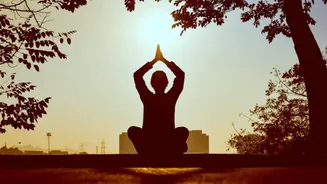
Pranayama, or yogic breathing, is a fundamental aspect of yoga that involves regulating the breath. It's more than just breathing; it's a conscious practice
designed to influence the flow of prana, or life force, within the body. Pranayama techniques encompass various methods like inhaling, exhaling, and retaining the breath in specific patterns. These practices are believed to promote relaxation, increase energy levels, and enhance mental clarity. In the context of wellness, Malaika Arora's guidance introduces accessible methods. By following her suggested breathing techniques, you can begin to experience the benefits of pranayama in your daily life, creating a foundation for improved physical and mental health. These practices are a way to tap into the natural healing capabilities of the body.
Deep Belly Breathing
Deep belly breathing, also known as diaphragmatic breathing, is a foundational pranayama technique. This method encourages the use of the diaphragm, a large muscle at the base of the lungs, to expand the belly during inhalation. To practice, place one hand on your chest and the other on your belly. Breathe in slowly through your nose, allowing your belly to rise while your chest remains relatively still. Exhale slowly through your mouth, letting your belly fall. Repeat this process for several minutes. This technique helps to calm the nervous system by activating the parasympathetic response, which aids in reducing stress and anxiety. It also increases oxygen intake, leading to improved energy levels and overall well-being. Practicing deep belly breathing can provide a sense of groundedness and relaxation, making it a valuable tool for managing daily stress.
Alternate Nostril Breathing
Alternate nostril breathing, or Nadi Shodhana, is another powerful pranayama technique. This practice involves breathing through one nostril while blocking the other, then alternating. To begin, sit comfortably with your spine straight. Use your right thumb to close your right nostril and inhale deeply through your left nostril. Then, close your left nostril with your ring finger and release your right nostril, exhaling through your right nostril. Inhale through the right nostril, close it with your thumb, and release the left nostril to exhale. Continue this cycle for several rounds. Alternate nostril breathing is believed to balance the left and right hemispheres of the brain, promoting mental clarity and reducing stress. It also helps to purify the nadis, the subtle energy channels in the body, promoting a sense of calm and focus. Regular practice can improve concentration and emotional balance.
Ujjayi Breath Technique
The Ujjayi breath, often called the 'ocean breath', is a technique that involves creating a soft, hissing sound in the back of the throat during both inhalation and exhalation. To practice, slightly constrict the back of your throat as if you are trying to fog up a mirror. Inhale and exhale slowly through your nose, maintaining this gentle constriction. The sound should be subtle and consistent throughout the breath cycle. Ujjayi breath is calming and helps to regulate the flow of breath, increasing oxygen intake and promoting relaxation. It also generates internal heat, aiding in the detoxification process and preparing the body for deeper yoga postures. This practice can be especially helpful during yoga or meditation to enhance focus and reduce distractions. Its soothing sound also adds a meditative quality to the practice.
Box Breathing Method
Box breathing, also known as square breathing, is a simple yet effective technique for managing stress and anxiety. It involves a four-part cycle: inhale for a count of four, hold the breath for a count of four, exhale for a count of four, and hold the breath again for a count of four. You can visualize a square, moving your breath around each side. Repeat this cycle several times. Box breathing can slow down your heart rate, reduce stress, and improve focus. It is easily adaptable for any situation, providing immediate relief from anxiety or moments of high stress. This technique is often used by athletes, professionals, and anyone looking to cultivate a sense of calm and presence. Practicing box breathing regularly enhances emotional resilience and promotes mental clarity.