




From Barren Land to Bounty
Jamtara, often lauded as India's 'Cashew City,' presents a peculiar market scenario where raw cashew nuts can be purchased for less than staple vegetables,
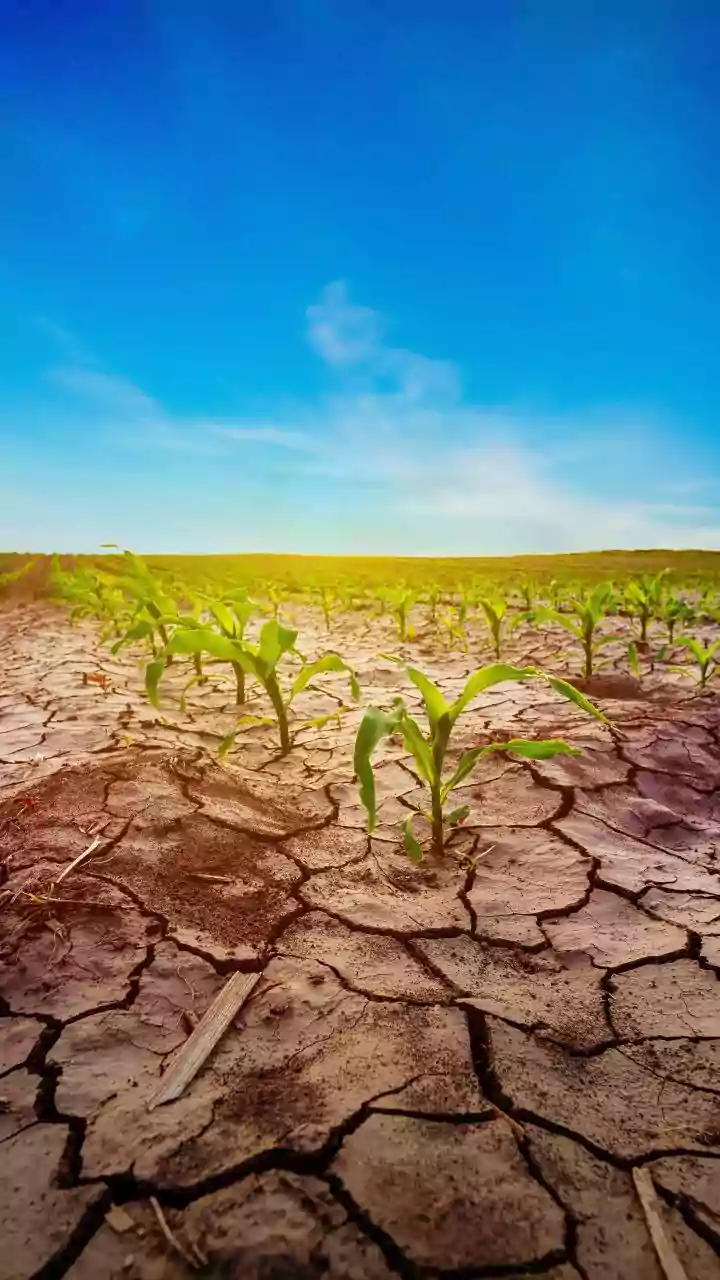
a stark contrast to their typically high prices found in major cities like Mumbai or Delhi, which can range from Rs 800 to Rs 1,100 per kg. This astonishing affordability isn't a mere marketing tactic but the direct outcome of a sustained, 15-year initiative to reforest approximately 50 acres of previously unproductive wasteland in the Nala block. This transformation, driven by the local Forest Department's strategic planting of cashew saplings, was initially aimed at mitigating soil erosion. However, the region's unique laterite soil composition coupled with its naturally humid climate created an unexpectedly fertile ground, fostering an environment where cashew cultivation thrived, eventually leading to substantial yields that seem to defy typical market logic.
The Raw Truth About Price
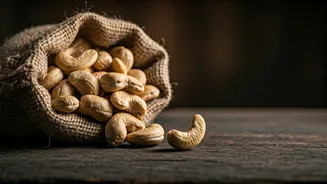
The incredibly low prices observed in Jamtara, sometimes as low as Rs 20 or Rs 30 per kilogram, refer exclusively to raw cashew nuts (RCN) in their unadulterated state. These are the kidney-shaped seeds still encased in their naturally occurring shells. The outer shell contains a caustic oil known as cardol, which is highly toxic and can cause severe skin irritation and burns if mishandled. Therefore, these prices do not represent the finished, edible product that consumers are accustomed to purchasing. The abundance of these raw nuts, often gathered by local villagers from the extensive plantations, significantly drives down the initial procurement cost before any processing takes place. This surplus, often described as 'unclaimed' or locally harvested produce, creates a barrier-free entry point for exceptionally low pricing at the source.
The Processing Bottleneck
The primary factor contributing to Jamtara's status as India's cheapest cashew market is the conspicuous absence of industrial-scale processing facilities within the district. Transforming raw cashew nuts into the familiar white, edible kernels requires a complex, labour-intensive, and costly series of steps. These include precise steaming to loosen the toxic shell, careful cutting to extract the kernel, thorough peeling to remove any remaining shell fragments, and meticulous grading to ensure uniformity and quality. Without the necessary infrastructure for these crucial stages, local farmers and collectors are compelled to sell their raw harvests in bulk to intermediaries who transport the nuts to processing centres in neighbouring states like Odisha and West Bengal. This dependency on external processing capabilities prevents the addition of value locally and thus keeps the farm-gate prices exceptionally low.
Timing is Everything
For anyone hoping to snag the absolute lowest prices for cashews in Jamtara, strategic timing is paramount. The cashew harvesting season in Jharkhand typically spans from late February through May. During these peak months, the landscape along the Nala-Jamtara road transforms into a vibrant marketplace. Baskets overflowing with freshly harvested cashew apples and their attached nuts become a common sight. While purchasing cashews outside this primary season will still likely be more economical than city prices, the 'dirt cheap' rates are a distinct springtime phenomenon. This occurs when the sheer volume of locally harvested nuts vastly exceeds the immediate local demand, creating a temporary surplus that drives prices down to their absolute minimum.
The Nala Block Hub
The epicentre for this unique cashew trade is not a conventional market or a bustling commercial hub, but rather the Nala Block, situated approximately 40 kilometers from the Jamtara district headquarters. This area is the heart of the cashew plantations, which are essentially viewed as a communal asset. Here, one can witness small-scale collectors, often local villagers, arranging and selling substantial heaps of freshly harvested cashew nuts. These sales frequently take place under the very trees where the nuts were gathered, highlighting the direct, unmediated nature of the transactions. The Nala Block embodies the grassroots origin of Jamtara's cashew abundance, where the primary activity is the collection and initial sale of the raw product.
A Buyer's Smart Approach
While the allure of extraordinarily low prices in Jamtara is undeniable, discerning buyers would be wise to prioritize both quality and ethical considerations. When selecting cashew nuts, look for those that feel substantial for their size and are free from any visible cracks or damage. It's important to remember that while bargaining is a customary practice, the low prices paid to farmers often represent their marginal income. By offering a fair price that is slightly above the rock-bottom asking rate, consumers can contribute to the economic well-being of the local community that diligently cultivates and maintains these valuable orchards. This approach ensures that the unique cashew ecosystem of Jamtara can continue to thrive sustainably.