






The Microbiome Connection
It turns out that the quest for an impeccably clean mouth, often advertised as '99.9% germ-free,' might be doing more harm than good. Recent insights from
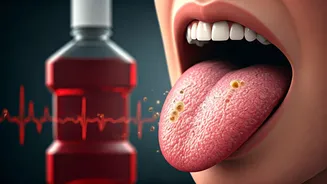
dental professionals highlight a concerning link between the regular use of certain mouthwashes and adverse health outcomes. Specifically, the ingredients found in many popular oral rinses, particularly those containing alcohol, can indiscriminately eliminate not just harmful bacteria, but also the beneficial microbes residing in our mouths. This disruption of the oral microbiome, the delicate ecosystem of bacteria in your mouth, can have far-reaching consequences. These beneficial bacteria play a vital role in converting dietary nitrates into nitric oxide, a critical molecule essential for regulating blood pressure and maintaining good cardiovascular function. When this natural production is hampered, it can lead to a potential increase in blood pressure and affect insulin sensitivity, a key factor in metabolic health.
Hidden Health Risks
The implications of disrupting the oral microbiome extend beyond just oral hygiene. Research suggests a significant correlation between frequent mouthwash use and heightened risks for serious health conditions. For instance, a study involving nearly 1,000 adults observed that individuals who used mouthwash twice daily exhibited a 55% greater likelihood of developing prediabetes or full-blown diabetes. Furthermore, another study indicated that similar twice-daily usage more than doubled the risk of developing high blood pressure. Perhaps most strikingly, a University of Plymouth study revealed that the benefits of exercise on blood pressure, achieved through physical activity, could be entirely negated within two hours of using mouthwash, with over 60% of the positive effects being abolished. These findings suggest that prioritizing a sterile mouth over a balanced microbial environment could have profound, long-term repercussions for cardiovascular and metabolic well-being.
Rethinking Your Rinse
Given these potential risks, it's understandable why dental experts are advising a reassessment of our daily mouthwash routines. While mouthwash isn't inherently dangerous and can contribute to good oral hygiene when used appropriately, the frequency and type of product are crucial. Strong antiseptic mouthwashes, such as those containing chlorhexidine, should be reserved for specific dental conditions and used only under professional guidance for a limited duration. For everyday oral care, focusing on brushing twice daily with fluoride toothpaste and incorporating regular flossing to clean between teeth is paramount. These foundational practices effectively maintain oral health without compromising the beneficial bacteria. If you prefer an oral rinse, opting for alcohol-free and antiseptic-free formulations is a safer bet, as they are less likely to disrupt the delicate balance of your oral microbiome. Always consult with your dentist for personalized advice on maintaining optimal oral hygiene.
Holistic Oral Care
The connection between oral health and overall systemic health, particularly heart health, is increasingly evident. Poor oral hygiene has been definitively linked to various cardiovascular disorders, emphasizing the importance of a robust daily routine. The cornerstone of maintaining a healthy mouth, one that supports rather than hinders your body's natural processes, lies in consistent mechanical cleaning. This involves brushing your teeth diligently twice a day with standard fluoride toothpaste and regularly using dental floss to remove plaque and food particles from hard-to-reach areas between teeth. These fundamental steps are highly effective in managing oral bacteria and preventing common dental issues. While occasional use of common fluoride mouthwashes is generally considered safe and can supplement your routine, it's essential to remember they are secondary to brushing and flossing. Should you encounter any specific dental concerns or consider significant changes to your oral hygiene regimen, seeking professional advice from your dentist is always the most prudent course of action.